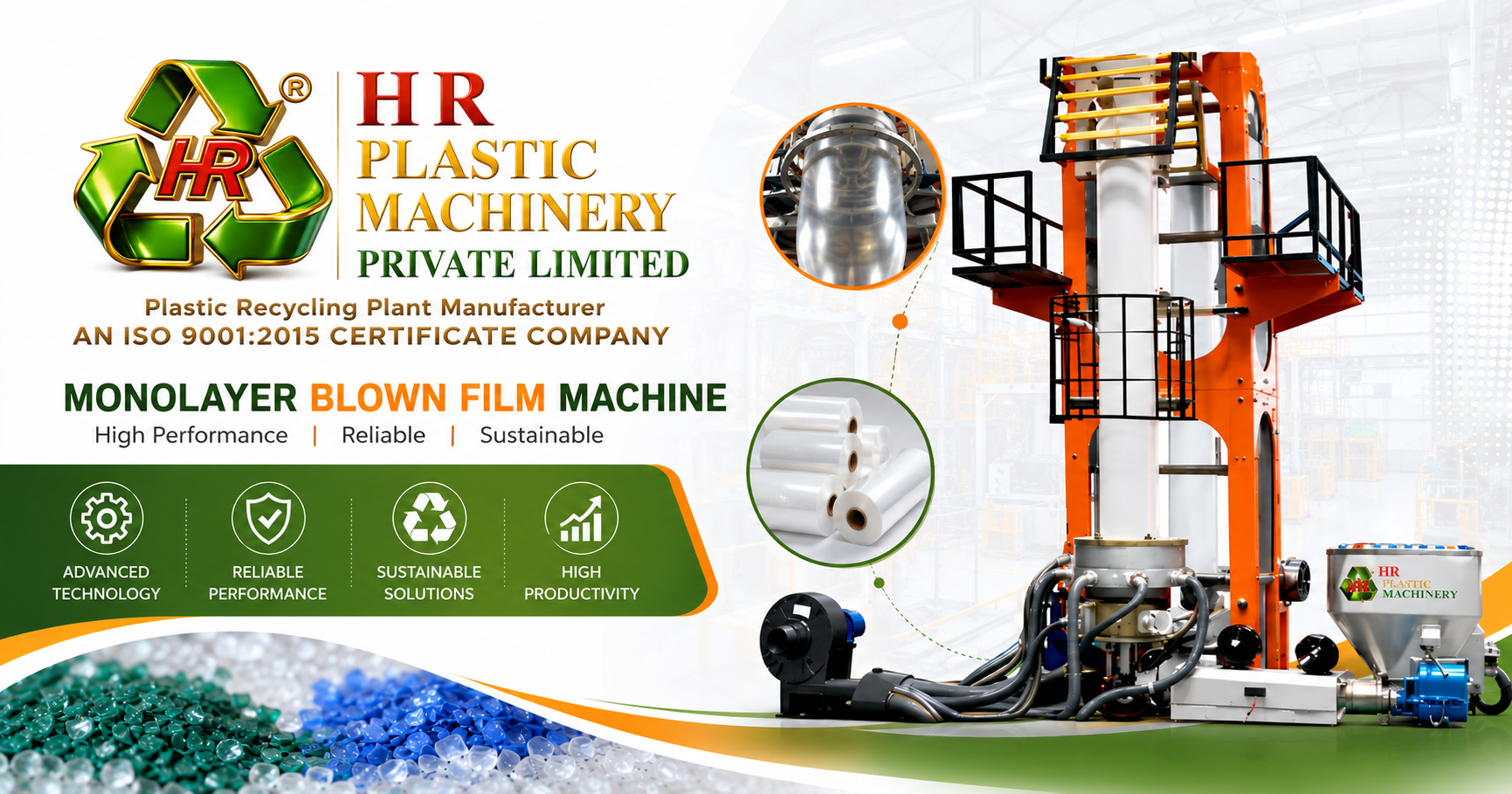
H.R. PLASTIC MACHINERY PVT. LTD.
Plastic Recycling Machine Exporter
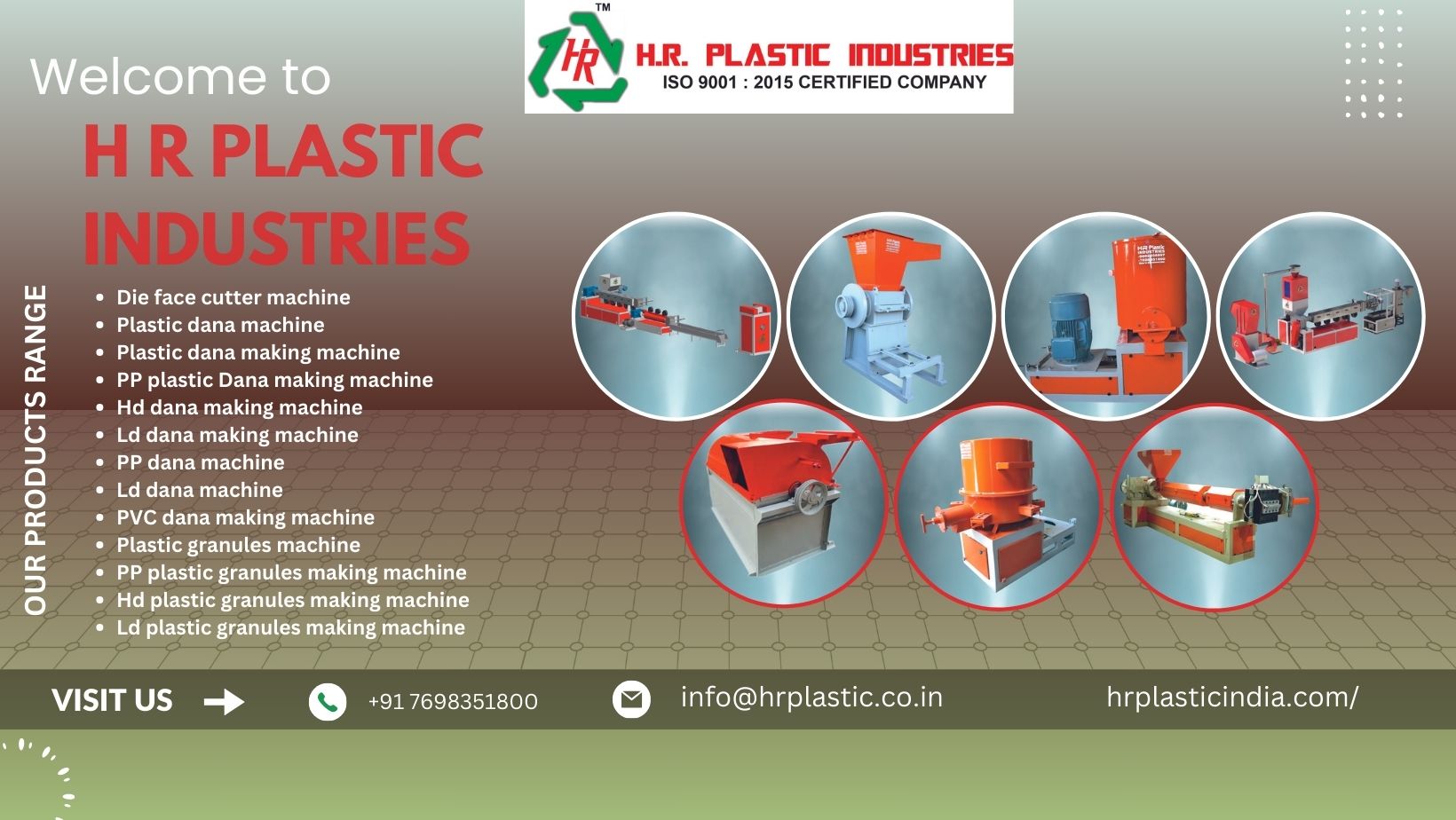
Plastic Recycling Machine Exporter
Recycling Machinery Supplier in India | Trusted Equipment for Waste & Material Recovery
Introduction to Plastic Recycling Machine Exporter
Choosing a trusted plastic recycling machine exporter is essential for Indian processors scaling circular manufacturing. The right partner supplies robust shredding, washing, extrusion, and pelletizing systems matched to feedstock, utilities, and compliance. Look for documented energy figures, stable melt quality, and responsive after-sales across India and overseas ports. Experienced exporters also support layout planning, commissioning, operator training, and spares logistics. Evaluate payback using kWh per kilogram, maintenance intervals, and spare availability; ensure lines meet brand and regulatory expectations for rPET when required. To compare product ranges, certifications, and case studies, visit HR Plastic India.
Working Principle and Process Flow — Plastic Recycling Machine Exporter
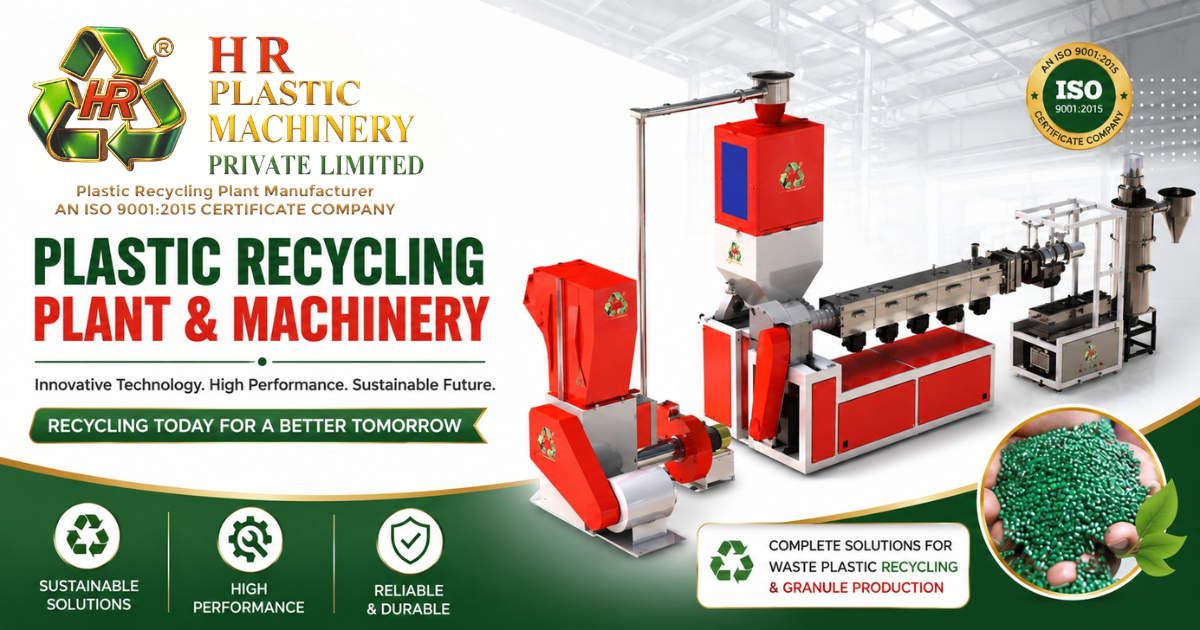
Export-ready recycling lines follow staged operations: inspection and segregation, size-reduction, hot or cold washing, friction cleaning, centrifugal drying, melt filtration, vacuum degassing, and pelletizing. Density separation improves purity; magnetic and eddy systems remove metals; smart feeders stabilize throughput for films and rigid parts. Process control via PLC-SCADA logs temperatures, pressures, and kWh/kg to ensure repeatable quality. For rPET, IV management and approved contact materials are critical; for polyolefins, moisture and odor control dominate. Designers size utilities for Indian conditions, add water-recycling modules, and specify screen-changer strategies. See typical flowsheets and upgrade paths on HR Plastic India.
Types of Plastic Recycling Machines Exported
- Compact startup lines delivering 150–300 kg/hour for decentralized aggregators, offering modular expansion and simplified utilities for rapid deployment.
- Twin-line configurations 800–1500 kg/hour with redundancy, shorter changeovers, and continuous production during maintenance, ideal for export commitments.
- PET bottle washing plus pelletizing packages with hot caustic modules, IV retention options, and FDA-aligned contact parts for food-grade ambitions.
- LDPE/LLDPE film recycling systems using agglomerators, forced-feed extruders, and die-face cutters to stabilize fluffy inputs and thin films.
- HDPE and PP rigid recycling lines integrating label removal, metal separation, and intensive washing for crates, drums, automotive housings, and toys.
Key Features and Specifications
- Documented energy benchmarks with VFD motors and kWh/kg dashboards for reliable payback calculations.
- Automatic screen changers, multi-zone heating, and vacuum degassing for clean melt and fewer black specks.
- Food-contact PET modules using SS304 wetted parts, validated IV control, and approved wash chemistry.
- PLC-SCADA with recipe management, alarms, preventive maintenance prompts, and secure remote diagnostics.
- Standardized spares, bolt-on capacity upgrades, and pan-India service coverage to minimize downtime.
Applications of Plastic Recycling Machines in India
- Packaging converters produce films, sheets, and moulded parts with recycled PP or PE, meeting FMCG specifications for MFI, color stability, and printability while reducing virgin usage and supporting brand sustainability goals across competitive Indian and export markets.
- Textile and strapping manufacturers consume rPET chips for fibers and tapes, targeting tensile strength, elongation, and dyeing stability; consistent IV and contamination control ensure downstream processing efficiency for garments, home furnishings, and industrial strapping applications.
- Automotive, appliance, and consumer-durables vendors blend rPP, ABS, or HIPS for non-critical trims, ducts, and housings, aligning with RoHS and REACH norms, ensuring dimensional stability, impact resistance, and compatible paint adhesion performance in demanding environments.
- Municipal and industrial waste managers valorize mixed streams into saleable pellets, lowering landfill burden and tipping fees, advancing EPR compliance, and enabling regional manufacturing clusters focused on circular economy adoption throughout India’s tier-I, tier-II, and tier-III cities.
Benefits of Partnering with a Plastic Recycling Machine Exporter
- Lower total cost of ownership through dependable recycled feedstock, optimized energy consumption, and higher uptime, supported by standardized spares, trained operators, and responsive service networks that shorten payback cycles and stabilize margins in volatile resin and power markets.
- Improved and repeatable quality from controlled washing, multi-stage filtration, and vacuum degassing, delivering uniform melt flow indices, color consistency, and contamination thresholds that reduce rejections, minimize changeovers, and protect downstream extrusion, thermoforming, or molding productivity.
- Greater productivity via automated dosing, recipe control, quick screen changes, and robust conveying that minimize manual interventions, unplanned stoppages, and material losses across varied polymer streams, packaging formats, and fluctuating scrap moisture conditions.
- Enhanced compliance and sustainability posture with traceability data, EPR alignment, guarding, and interlocks, backing customer audits, certifications, and ESG reporting while demonstrating tangible circularity outcomes to brands, regulators, and lending institutions in India and overseas.
Top Manufacturers & Suppliers in India
India hosts a mature ecosystem of plastic recycling machine exporters, ranging from specialist engineering firms to diversified capital-equipment manufacturers. Buyers typically compare experience with local scrap profiles, documented kWh/kg, pellet quality metrics, and global shipping competence. Standard deliverables include layout design, installation, commissioning, operator training, spares, and remote diagnostics. Service networks across Ahmedabad, Mumbai, Delhi-NCR, Coimbatore, and Hyderabad are common. Optional upgrades span stainless contact parts, SCADA integration, water-recycling modules, odor control, and FDA-aligned PET packages. Lead times vary by capacity and customization; request FAT documentation, safety conformity, and performance guarantees aligned to throughput, moisture, and contamination limits. Evaluate exporter references, regional installations, and parts inventory depth before placing orders for multi-shift operations.
Maintenance and Safety Tips
- Inspect bearings, belts, knives, and screens daily; record noise, vibration, pressures, and temperatures.
- Maintain wash chemistry concentration; clean tanks, pipes, and nozzles; schedule water replacement and recycling.
- Verify extruder pressures, target MFI, and heater zones; calibrate sensors and load cells regularly.
- Train operators in lockout-tagout, hot-surface hazards, confined spaces, and emergency stop procedures.
- Stock critical spares—heaters, thermocouples, seals, and screens—stored dry with traceable part numbers.
FAQs – Plastic Recycling Machine Exporter
1. How do I choose the right capacity and configuration?
+
Match capacity to steady scrap availability, planned shifts, and downstream demand. Consider polymer mix, contamination, and moisture levels. Modular configurations allow incremental scaling without compromising washing effectiveness or filtration performance.
2. Can one line handle mixed municipal plastics for export grades?
+
Yes, with pre-sorting and density separation. Output grades will vary; separate loops for polyolefins and PET help keep saleable pellet specifications stable, improving melt flow predictability and downstream processing efficiency.
3. What utilities are typical for a mid-size export-focused plant?
+
Expect three-phase power, process water for washing and cooling, and compressed air. Budget for water-recycling, effluent treatment, and backup power to stabilize operations during grid fluctuations and monsoon disruptions across India.
4. How do we ensure food-grade rPET quality consistently?
+
Use hot caustic washing, multi-stage filtration, IV control, and approved contact materials. Maintain HACCP-style traceability and perform migration tests with accredited Indian laboratories to satisfy brand, regulatory, and export customer audits.
5. What after-sales support should be in an exporter’s contract?
+
Installation, commissioning, operator training, preventive maintenance schedules, remote diagnostics, and guaranteed spares. Define response times, warranty coverage, and performance guarantees tied to contamination, throughput, and pellet quality metrics in binding purchase contracts.
Contact Details
Talk to our specialists today for tailored solutions and fast assistance.
Company: Hr Plastic India
Phone: +91 95102-05025
WhatsApp: Chat on WhatsApp
Email: [email protected]
Website: www.hrplasticindia.com
Address: Office Address :- 3, Abhishree Industrial Park, B/h. G.V.M.M., Near Odhav Circle, Ahmedabad-382415.
Recent Posts