H.R. PLASTIC MACHINERY PVT. LTD.
Plastic Recycling Extrusion Line
Plastic Recycling Extrusion Line
Recycling Machinery Supplier in India | Trusted Equipment for Waste & Material Recovery
Plastic Recycling Extrusion Line
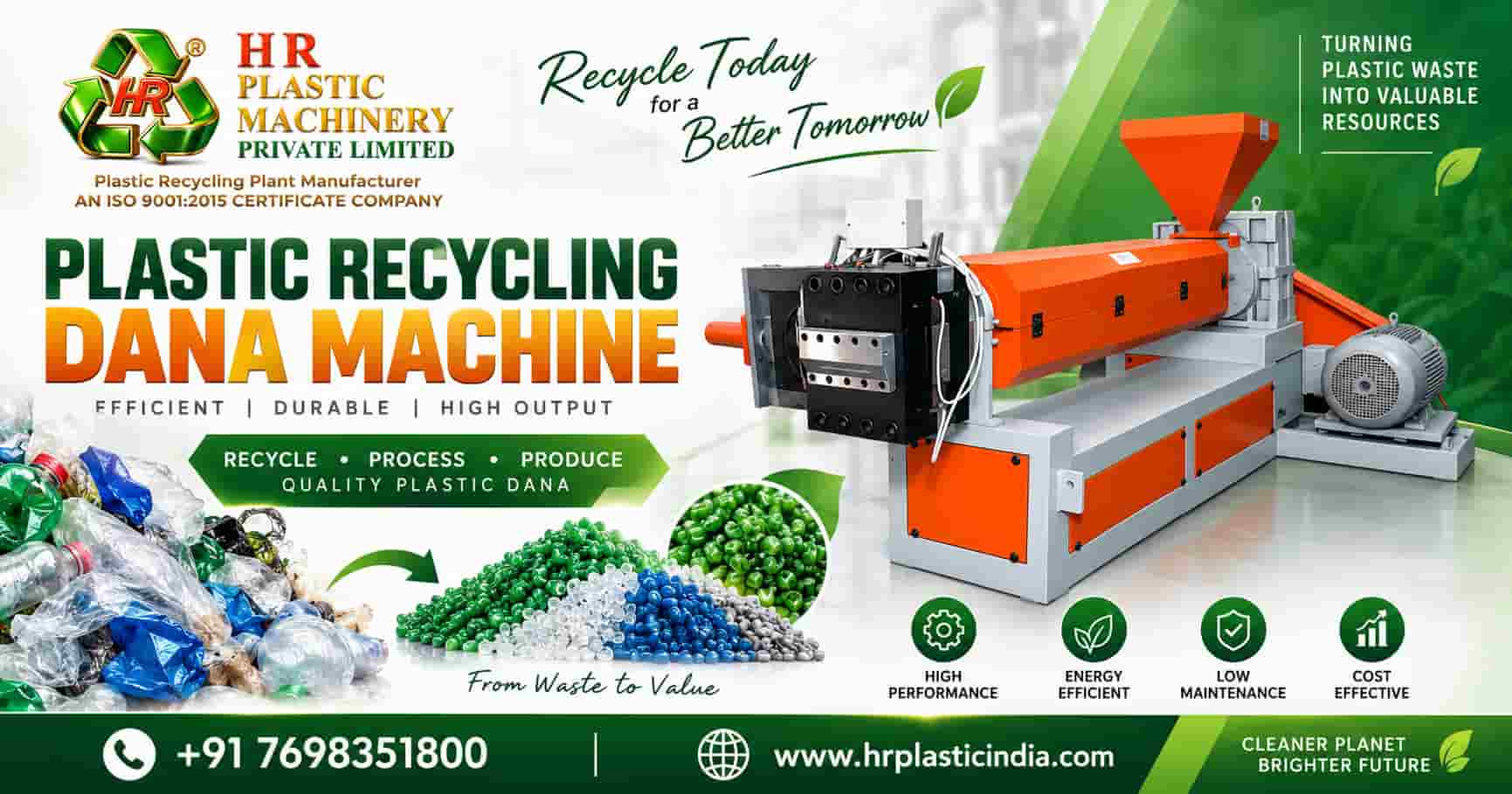
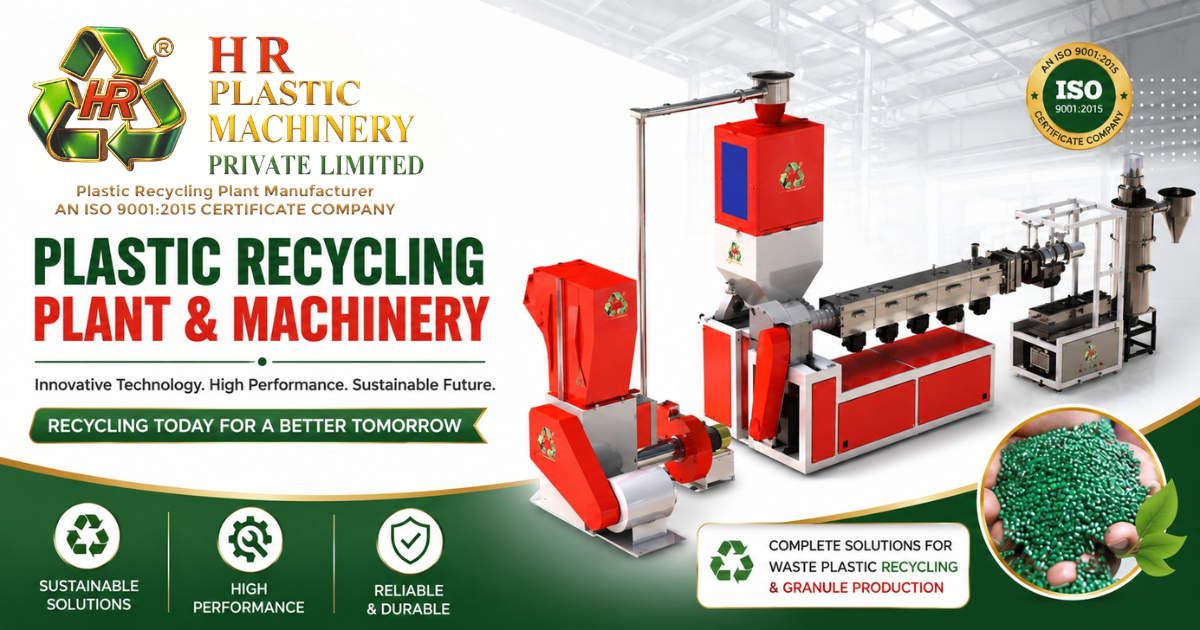
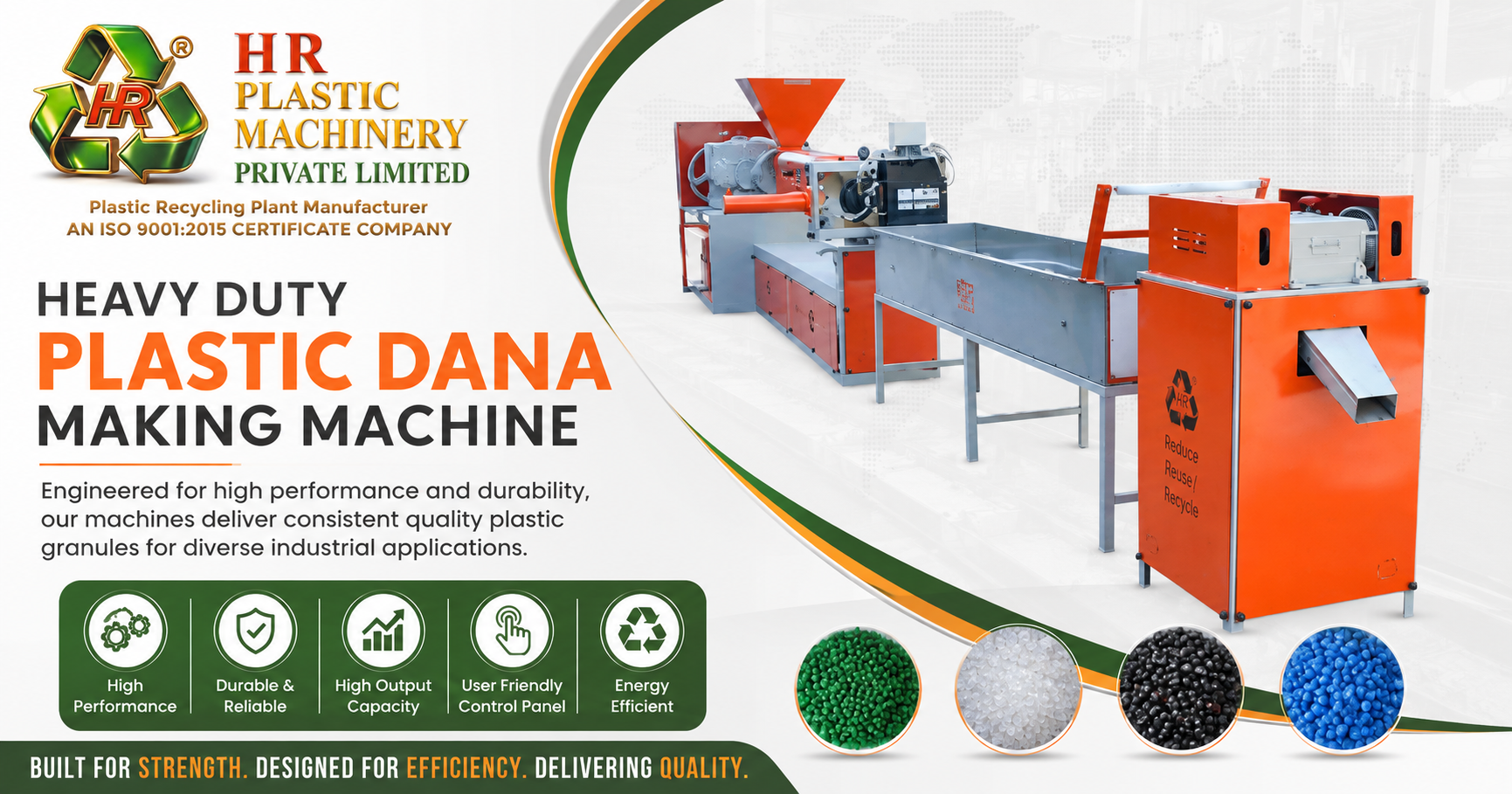
A plastic recycling extrusion line converts washed flakes or regrind into uniform granules by melting, filtering, degassing, and pelletizing the polymer. Correct screw design, melt temperature, residence time, and filtration level decide pellet quality. Indian processors should benchmark energy (kWh/kg), achievable throughput, and operator safety before purchase. This page explains configuration choices, features, applications, and upkeep for dependable output and fast changeovers.
Working Principle and Process Flow of Plastic Recycling Extrusion Line
Material is metered to the extruder via belt/force feeders. The screw plasticizes and homogenizes the melt; inline screens and backflush units remove fines; one or more vacuum ports strip volatiles and moisture. A gear pump stabilizes pressure to the die. Downstream, strand or die-face cutting forms pellets which are cooled and dried before screening and bagging. For selection tips, layouts, and videos, visit www.hrplasticindia.com.
Configurations of Extrusion Lines
- Single-screw extruder lines for relatively clean PP/PE with optional force feeder, suitable for converters needing stable MFI and low maintenance.
- Twin-screw vented lines for highly printed or mixed streams that demand intensive mixing, devolatilisation, and additive masterbatch dosing.
- Mother–Baby (two-stage) lines combining cutter–compactor/AGG with a second extruder for superior filtration and odour control on films and light flakes.
- PET recycling lines with hot-wash feed, IV-protecting screws, and pellet post-crystallisation for textile, strapping, and food-contact compliant routes.
- High-output tandem systems with gear pump and continuous screen changer for uninterrupted production during filter swaps.
Key Features and Specifications
- Optimised screw/barrel metallurgy (nitrided/bi-metallic) and L/D selection to balance mixing with energy efficiency across PP, PE, HDPE, PET.
- Vacuum degassing zones with condensate traps to reduce odour, moisture, and gels for consistent surface finish and printability.
- Automatic or backflush screen changers with multi-mesh packs to handle contamination while maintaining steady melt pressure.
- Gravimetric dosing for virgin/regrind/additives; PLC recipe control and data logging of temperatures, amps, pressure, and kWh/kg.
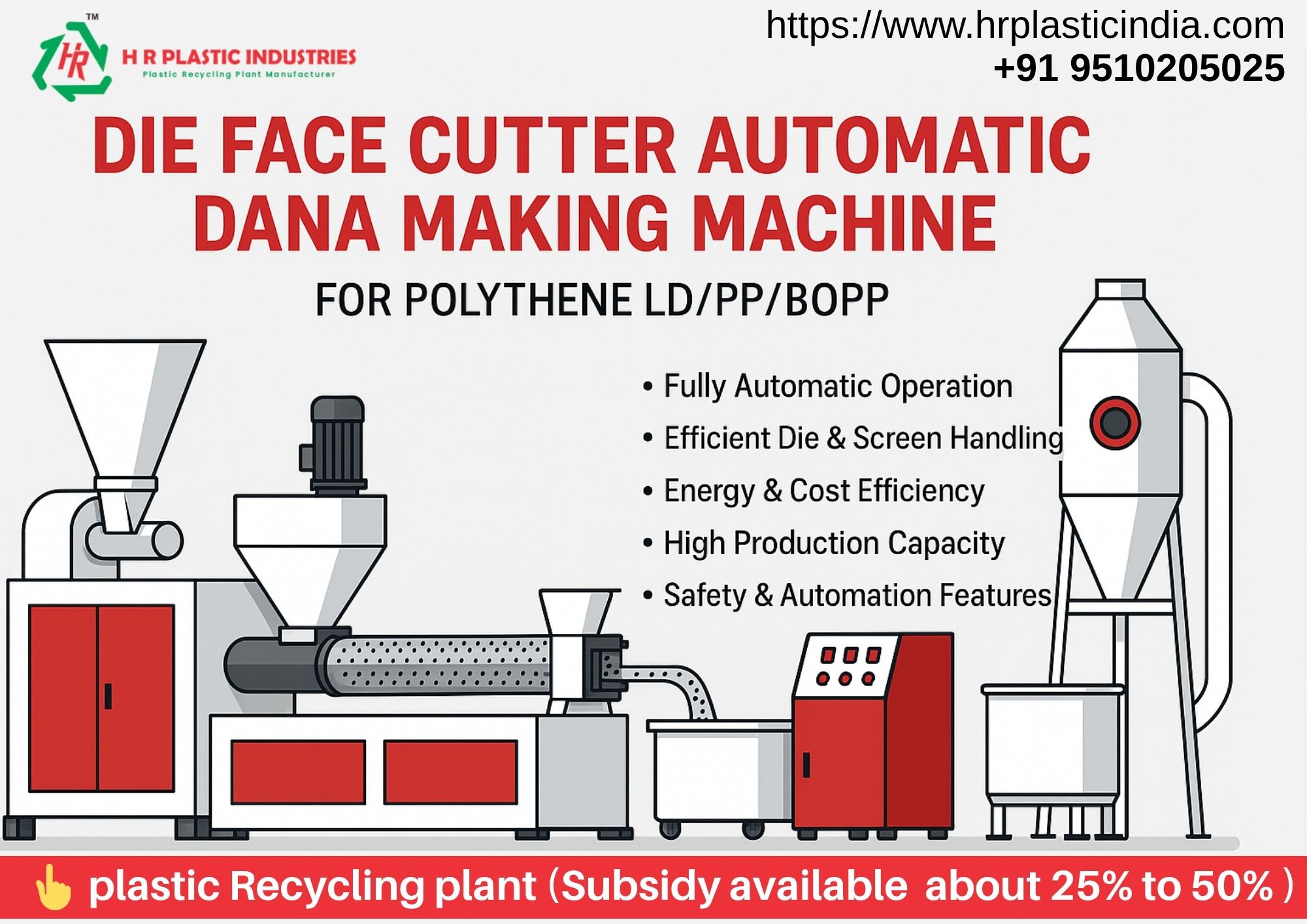
- Die-face hot cutting or water-strand pelletizing options with centrifugal dryers and classifying screens for narrow pellet size distribution.
Applications of Recycled Pellets
- Packaging films, liners, and shrink applications using rLDPE/rLLDPE with controlled MFI, slip/antiblock, and sealing performance.
- Injection-moulded crates, caps, and household parts from rPP/rHDPE targeting stiffness–impact balance and colour stability.
- Textile fibre and strapping from rPET where IV, AA levels, and gel count must be managed along with consistent pellet geometry.
- Pipes, ducts, and profiles using rPE blends for non-pressure applications with UV stabilisers and carbon black dispersion control.
Benefits of a Well-Engineered Extrusion Line
- Stable throughput and fewer defects via precise temperature control, gear pump pressure regulation, and efficient devolatilisation.
- Lower operating cost with VFD-driven motors, heat-loss insulation, and accurate kWh/kg tracking for energy audits.
- Faster changeovers using quick-open die heads, continuous screen changers, and recipe-driven start/stop sequences.
- Better compliance and traceability through batch logging, alarms, interlocks, and machine guarding aligned with Indian safety norms.
Line Selection & Supplier Considerations
Match screw design to polymer family and contamination profile; verify achievable MFI window, gel count, and pellet uniformity on customer trials. Review utility loads, water management, and filtration consumables. Ensure availability of local service, spare kits, and remote diagnostics. Ask for P&ID, electrical drawings, FAT reports, and performance guarantees tied to throughput, moisture, and melt pressure stability.
Maintenance and Safety Tips
- Track melt pressure, motor load, and barrel zone deviations; investigate spikes that indicate blocked screens or moisture surges.
- Clean and inspect die, pelletizer knives, and water system; maintain proper water quality to avoid scaling and pellet tails.
- Calibrate load cells, temperature sensors, and vacuum gauges; replace worn heaters and thermocouples from labelled spares.
- Follow lockout–tagout during screen pack, cutter, or die maintenance; provide PPE for hot surfaces and rotating parts.
- Log kWh/kg and reject rates to fine-tune recipes, backflush intervals, and screw speeds for every material grade.
FAQs – Plastic Recycling Extrusion Line
1. Which polymers run best on single-screw versus twin-screw?
+
Single-screw is ideal for relatively clean PE/PP where gentle mixing is enough. Twin-screw suits printed, mixed, or filled streams and when intensive compounding with additives or fillers is required.
2. How do I control odour and moisture in recycled pellets?
+
Use effective pre-drying or cutter–compactor, add vented zones with strong vacuum, and keep screen packs clean. Monitor condensate and maintain seals to avoid false air leaks.
3. What pelletizing method should I choose?
+
Die-face hot cutting is compact and handles films well. Water-strand gives smooth pellets and easy size control. Select based on polymer, throughput, and downstream conveying layout.
4. How often should screen packs be changed?
+
Base intervals on melt pressure rise and contamination level. Continuous or backflush screen changers allow filter swaps without stopping, maintaining steady pellet quality.
5. Can I blend virgin with recycled material automatically?
+
Yes, with gravimetric blenders and recipe control. Log actual ratios and kWh/kg for each batch to maintain repeatability and meet customer specifications.
Contact Details
Talk to our specialists today for tailored solutions and fast assistance.
Company: Hr Plastic India
Phone: +91 95102-05025
WhatsApp: Chat on WhatsApp
Email: [email protected]
Website: www.hrplasticindia.com
Address: Office Address :- 3, Abhishree Industrial Park, B/h. G.V.M.M., Near Odhav Circle, Ahmedabad-382415.
Recent Posts