H.R. PLASTIC MACHINERY PVT. LTD.
Plastic Granule Making Plant in India
Plastic Granule Making Plant in India
Plastic Granule Making Plant Manufacturer in India | HDPE LDPE PP Recycling & Pelletizing Lines
Plastic Granule Making Plant in India
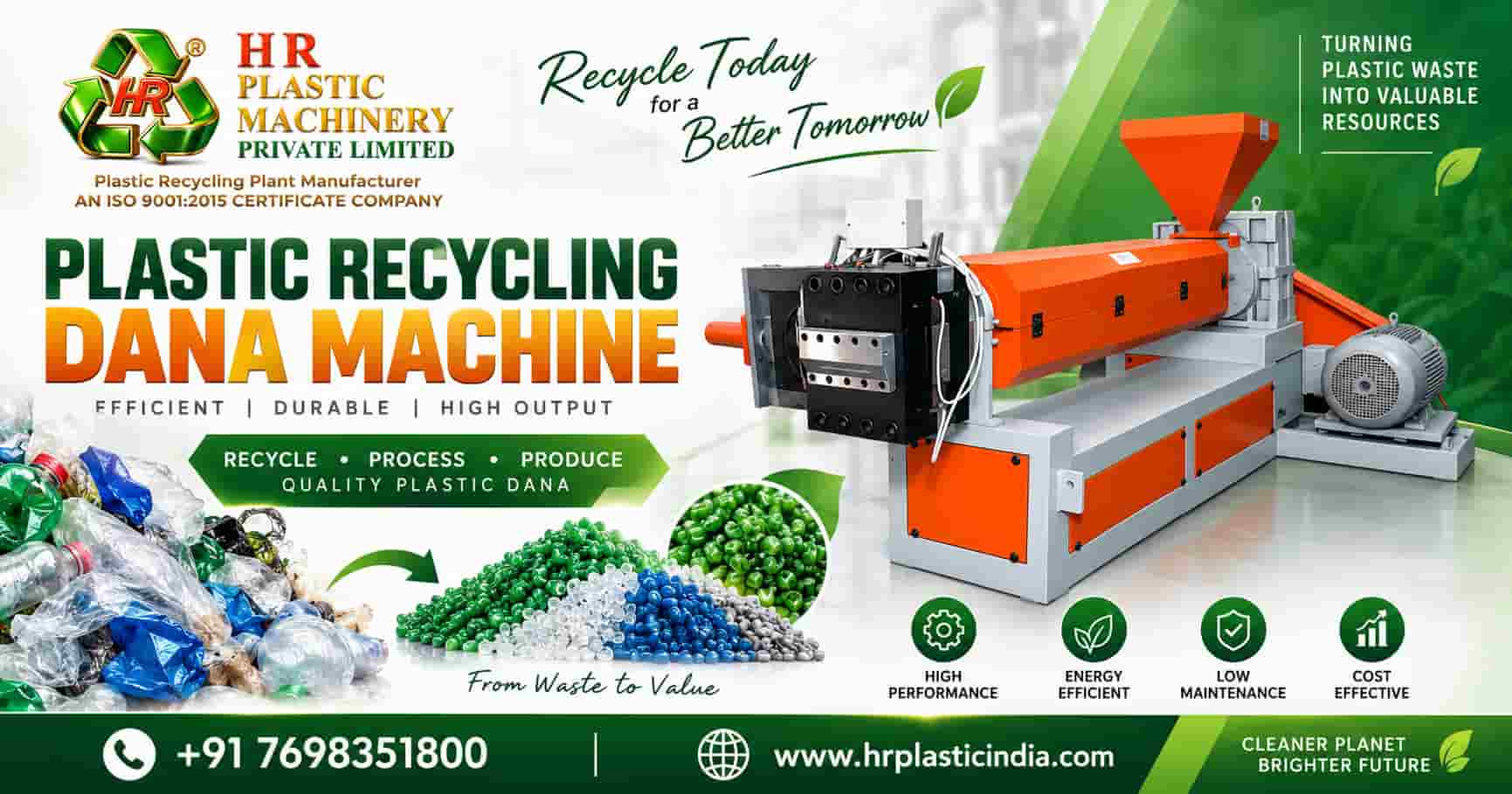
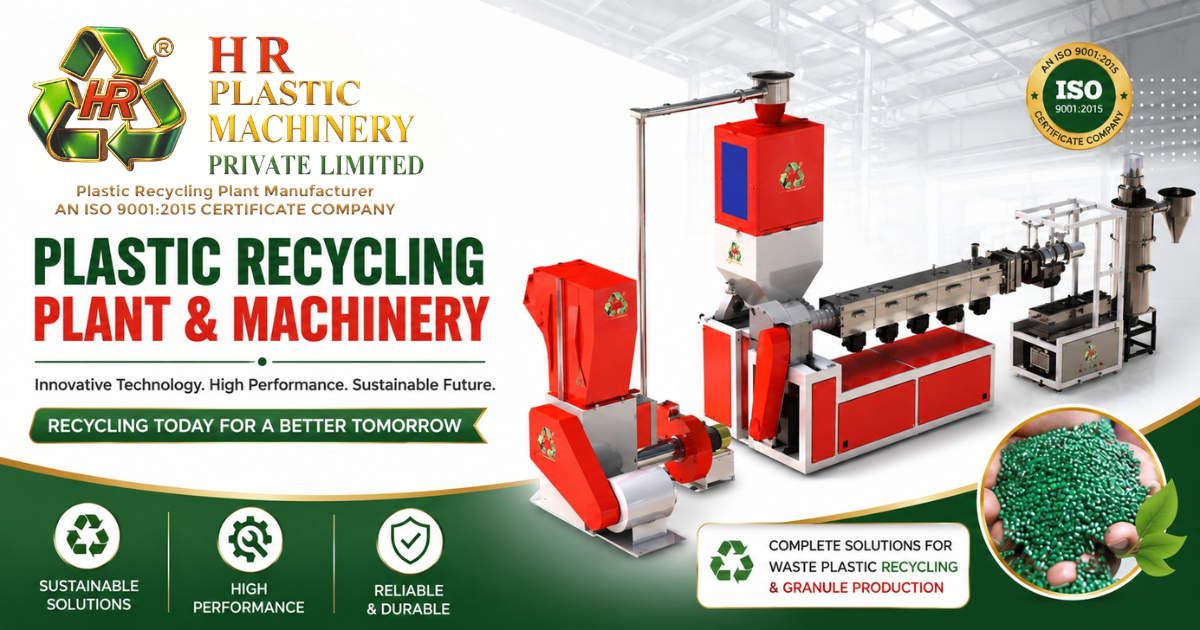
A plastic granule making plant converts post-consumer and post-industrial plastic waste into uniform pellets that are ready for film, molding, and extrusion applications. A complete line typically includes sorting, crushing, washing, drying, melt filtration, pelletizing, and conveying. For reliable planning, evaluate throughput (kg/hr), energy use (kWh/kg), water recycling, and after-sales support. Explore product categories, demo videos, and selection guidance on hrplasticindia.com.
Working Principle and Process Flow of a Granule Making Plant
Material moves through staged operations: size reduction, pre-wash, float-sink separation, hot friction wash, rinse, centrifugal drying, and dewatering. Clean, dry flakes feed a force-feed or vented extruder with multi-zone heating. Melt passes through automatic screen changers and vacuum degassing to remove gels, inks, and volatiles. Finally, strand or die-face pelletizers form consistent granules, which are cooled, cut, and classified. Recipe-based SCADA helps standardize MFI and color across batches.
Types of Plastic Granule Making Plants
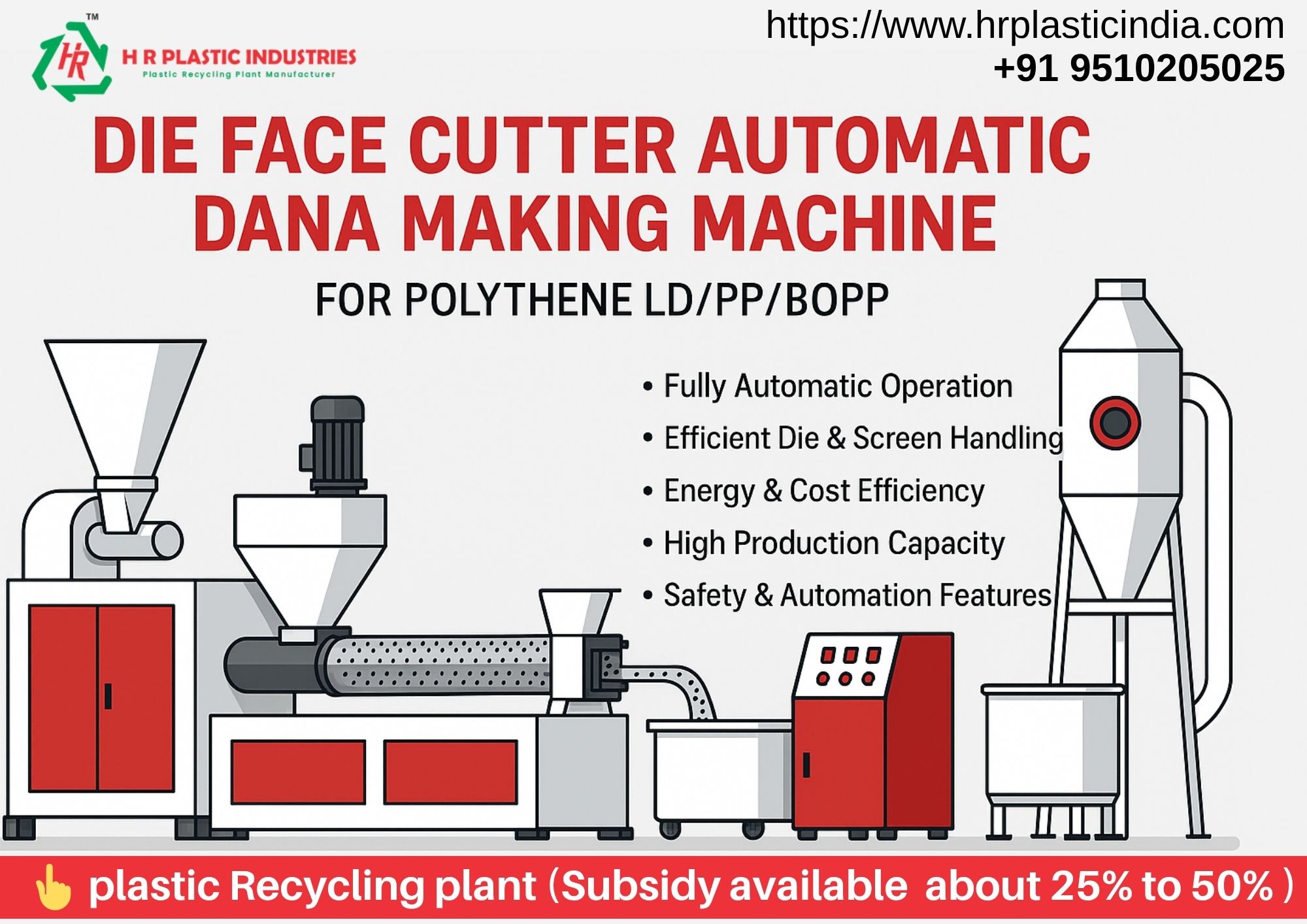
- Entry-level LDPE/LLDPE film recycling lines (120–300 kg/hr) with agglomerator, vented extruder, and die-face cutter for flexible packaging scrap.
- Twin-stage extruder plants (400–1000 kg/hr) for high-ink, high-moisture inputs where superior filtration and degassing stability are needed.
- PET bottle washing + pelletizing systems with hot caustic wash, IV-retention, and stainless steel wetted parts for fiber and sheet applications.
- HDPE/PP rigid regrind lines integrating label removal, metal separation, turbo washing, and strand pelletizing for drums, crates, and caps.
- Odour-control and deodorizing modules for mixed polyolefins to improve downstream acceptance for non-food packaging and molded goods.
Key Features and Specifications
- High-efficiency motors with VFDs and documented energy benchmarks (kWh/kg) for predictable running costs.
- Automatic screen changers, multi-stage filtration (80–200 mesh), and vacuum vents to ensure clean melt and stable MFI.
- Moisture control with intensive drying, enclosed conveyors, and gravimetric dosing to maintain pellet uniformity.
- PLC-SCADA with recipe management, alarm logs, OEE dashboards, and remote diagnostics for faster troubleshooting.
- Water-treatment loops, stainless contact parts, and safety interlocks meeting Indian compliance and audit requirements.
Applications of Plastic Granules
- Flexible packaging films (LLDPE/LDPE) for liners, carry bags, industrial wraps, and e-commerce mailers with controlled slip and optics.
- Rigid packaging (HDPE/PP) for caps, closures, bottles, crates, and pails targeting impact, ESCR, and color stability.
- Textile and straps from rPET chips for fiber, filament, and PET strapping with tensile strength and elongation targets.
- Automotive and appliance parts using rPP, HIPS, or ABS for trims, ducts, and housings aligned with ROHS/REACH norms.
Benefits of a Plastic Granule Making Plant
- Lower raw-material costs by converting local waste streams into consistent, saleable granules with quick payback due to higher uptime.
- Quality stability via controlled washing, multi-stage filtration, and degassing resulting in fewer rejections and smoother downstream runs.
- Higher productivity with automated feeding, fast screen changes, and recipe control that reduce changeover and operator dependence.
- Improved sustainability and compliance with traceability data, EPR alignment, and closed-loop water systems that pass customer audits.
Manufacturers & Supply Scope
Indian manufacturers deliver turnkey solutions including layout design, utility planning, installation, commissioning, operator training, and spare-parts support. Selection criteria include proven performance with your scrap mix, pellet quality (MFI, color ΔE, contamination ppm), and energy/water benchmarks. Popular options include stainless steel contact parts, centralized control panels, metal detectors, odor-control, and automated big-bag packing. Define FAT protocols and performance guarantees for throughput and moisture to ensure reliable acceptance.
Maintenance and Safety Tips
- Track bearings, gearboxes, and knives; replace worn parts before vibration and noise exceed thresholds.
- Maintain wash chemistry and solids removal; schedule tank cleaning and filter back-flush to prevent odor carry-over.
- Log extruder pressures, melt temperature, and MFI per batch; calibrate load cells and temperature sensors routinely.
- Enforce lockout-tagout, hot-surface signage, and guarding checks; test emergency stops and interlocks every shift.
- Stock critical spares—heaters, thermocouples, seals, breaker plates, screens—in labeled, dry storage.
FAQs – Plastic Granule Making Plant
1. What capacity should I choose for my plant?
+
Align capacity with steady scrap availability, target shifts, and downstream demand. Consider contamination levels, polymer mix, moisture, and quality standards. Modular layouts allow phased expansion without compromising washing or filtration.
2. Can one line process mixed plastics effectively?
+
Yes, when paired with pre-sorting, density separation, and dedicated filtration. Separate loops for film vs rigid streams help maintain consistent pellet specs and predictable MFI.
3. What utilities are required?
+
Three-phase power, process water for washing/cooling, and compressed air. Budget for water-recycling and effluent treatment to stabilize operations and reduce costs during seasonal variations.
4. How do I control odor and moisture in pellets?
+
Use hot friction wash, vacuum degassing, efficient drying, and enclosed conveying. Optional deodorizing units and activated media help when processing printed or post-consumer scrap.
5. What acceptance tests should be included?
+
Define FAT parameters for throughput (kg/hr), pellet moisture, MFI window, contamination ppm, energy (kWh/kg), and noise limits with documented test runs and operator training.
Contact Details
Talk to our specialists today for tailored solutions and fast assistance.
Company: Hr Plastic India
Phone: +91 95102-05025
WhatsApp: Chat on WhatsApp
Email: [email protected]
Website: www.hrplasticindia.com
Address: Office Address :- 3, Abhishree Industrial Park, B/h. G.V.M.M., Near Odhav Circle, Ahmedabad-382415.
Relevant Tags
Plastic granule making plant India
LDPE LLDPE granule machine
HDPE PP recycling pelletizing line
Twin stage plastic recycling plant
Die face cutter pelletizer
Strand pelletizer manufacturer
Automatic screen changer supplier
Vacuum degassing extruder
Plastic washing and drying system
Water recycling for wash line
Granule quality control MFI
SCADA controlled recycling plant
Post consumer resin production
Turnkey recycling line supplier
Pelletizing line manufacturer India
Odour control for recycled plastics
Reprocessed plastic granules
Granulator crusher shredder
Centrifugal dryer for plastics
Float sink separation tank
Friction washer hot wash
Pellet cooling and conveying
Bagging system for granules
EPR compliant recycling solutions
Energy efficient recycling machines
Granule making plant AMC services
Municipal plastic recycling plants
HDPE LDPE PP reprocessing
Washing drying pelletizing line
Recent Posts