H.R. PLASTIC MACHINERY PVT. LTD.
Introduction to Industrial Grinder Machine
Introduction to Industrial Grinder Machine
Industrial Grinder Machine Manufacturer in India | HR Plastic India
Introduction to Industrial Grinder Machine
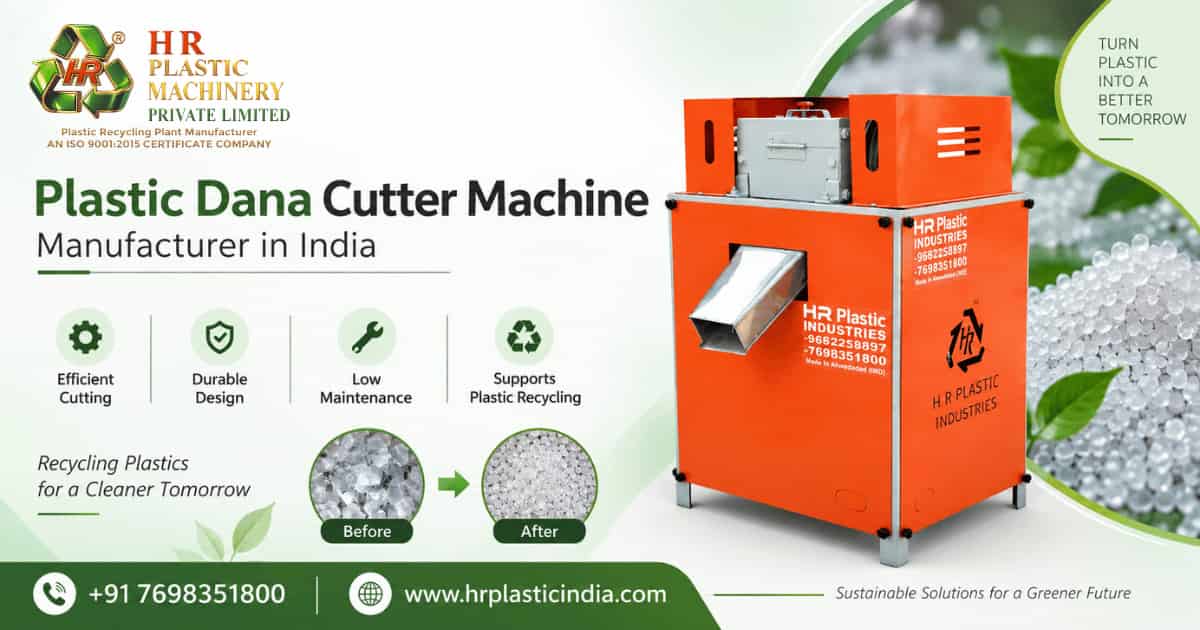
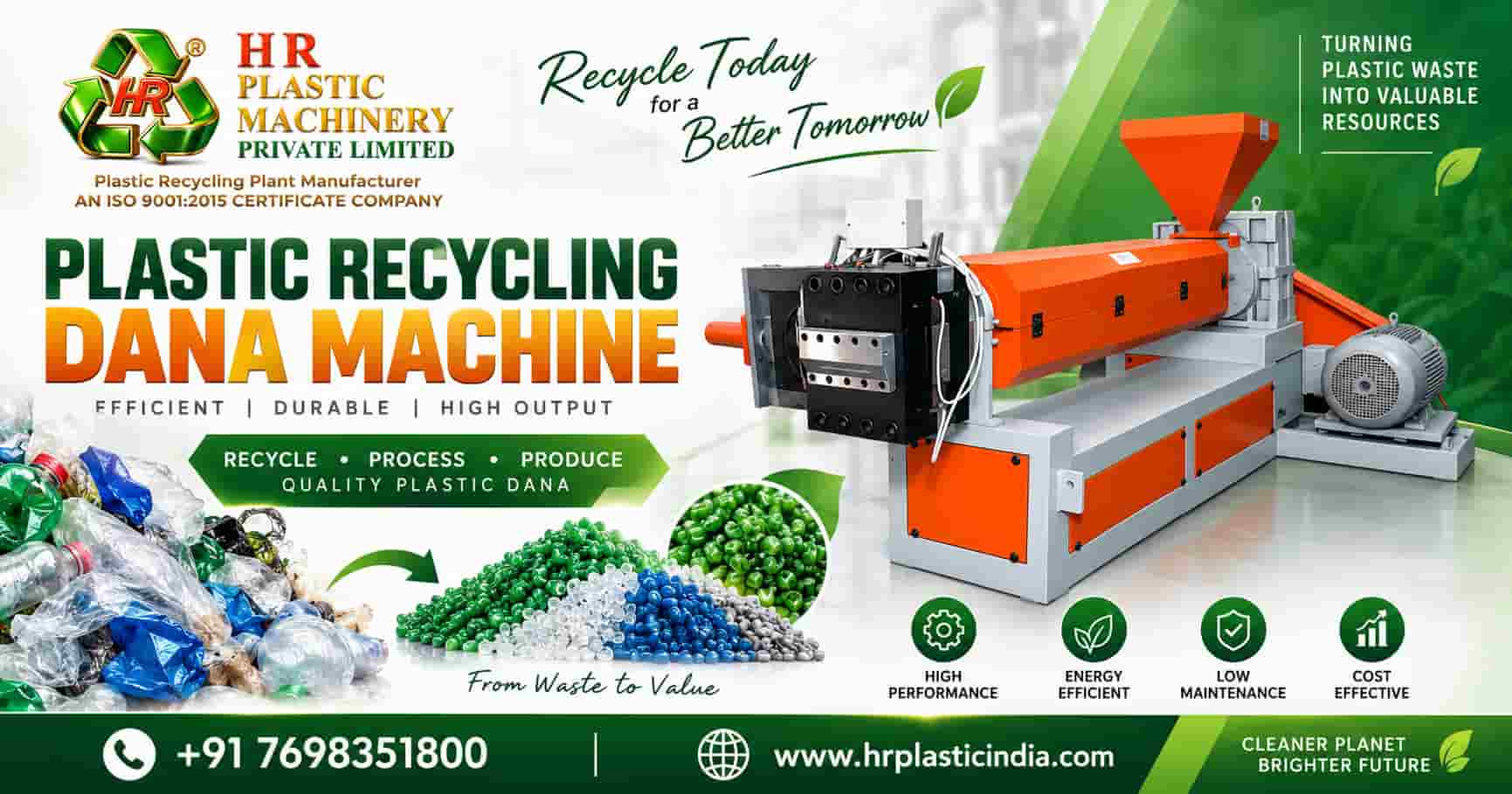
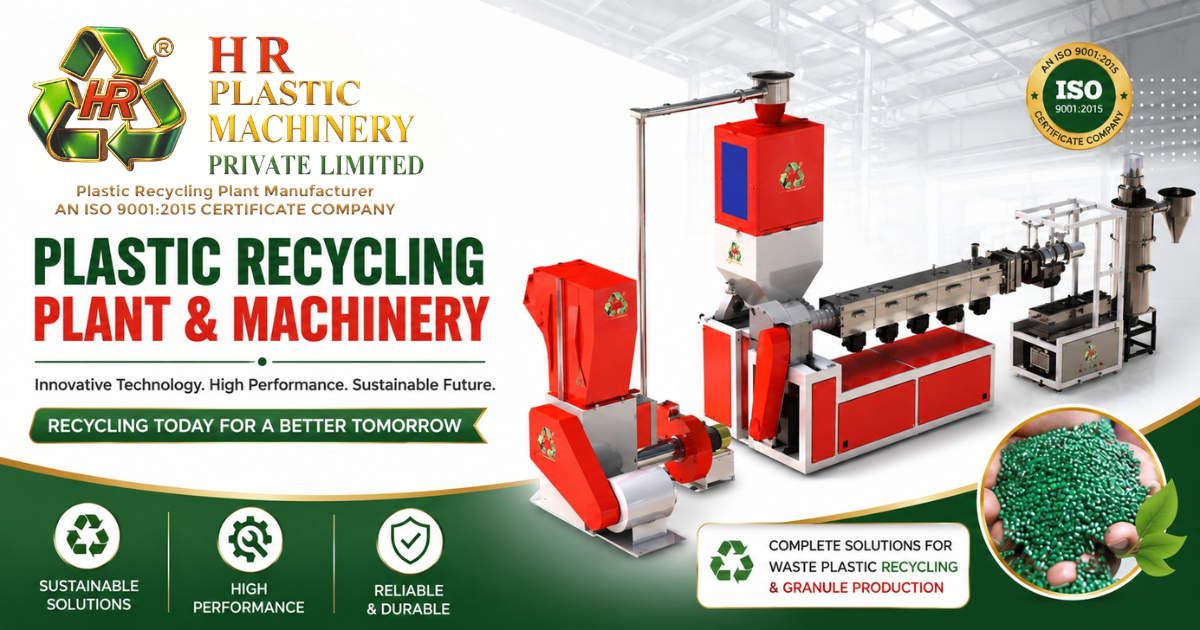
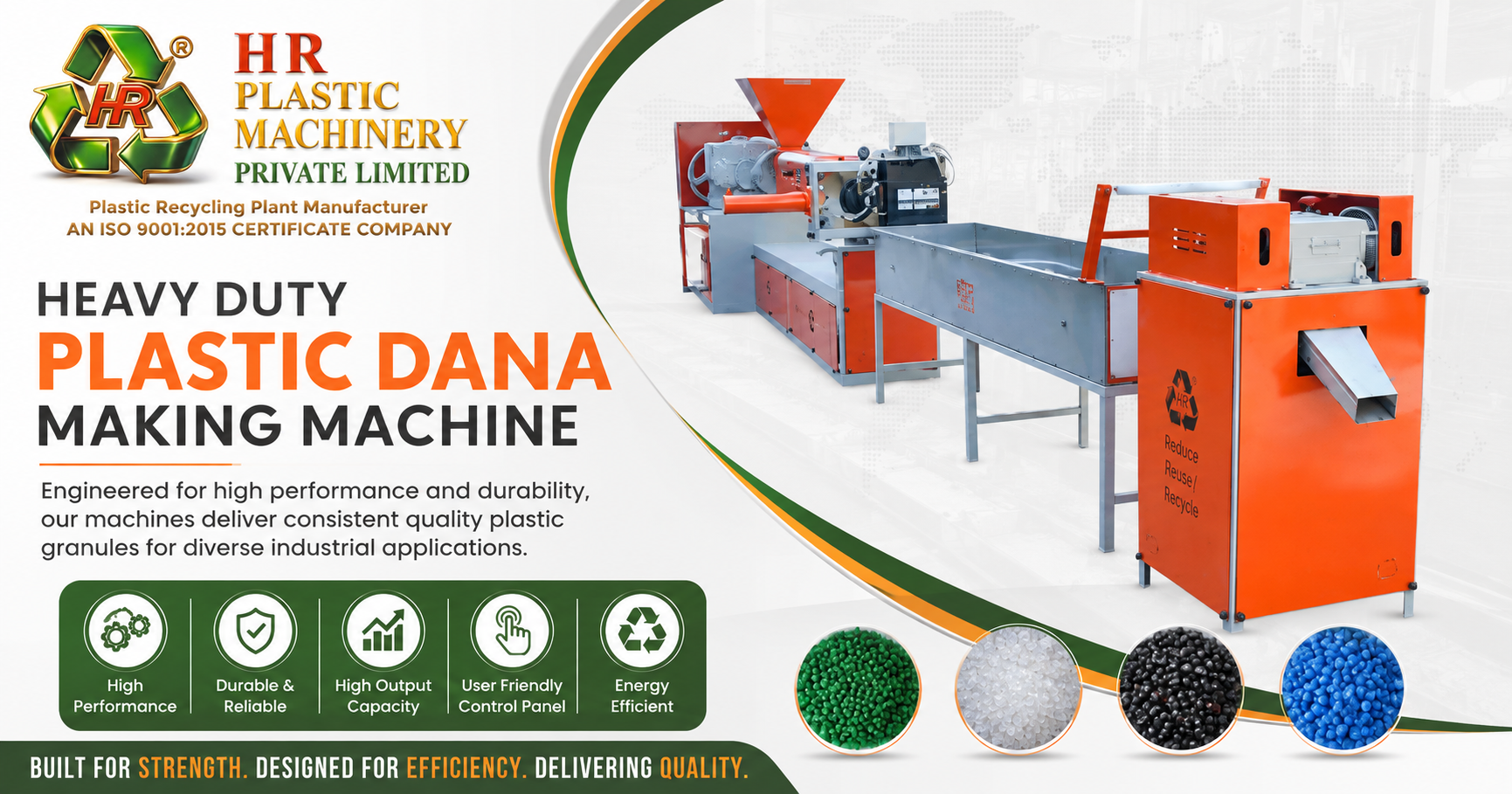
An industrial grinder machine is a heavy-duty size reduction system used to crush, granulate, and recycle plastic scrap, runners, purgings, and rejected components into uniform flakes or regrind. A reliable grinder delivers consistent output size, high throughput, and low power consumption while handling continuous operation in demanding Indian factory environments. When selecting a machine, buyers should consider material type, thickness, blade design, screen size, motor capacity, and safety features. For technical guidance, layouts, and integration support with downstream recycling equipment, explore solutions offered by HR Plastic India.
Working Principle and Process Flow of Industrial Grinder Machines
An industrial grinder machine works on the principle of controlled cutting and impact. Scrap is fed through a hopper into a cutting chamber, where rotating blades mounted on a rotor work against fixed stationary knives. The material is repeatedly sheared until its size is small enough to pass through a perforated screen mounted below the rotor. Proper rotor geometry, cutting angle, and screen selection ensure uniform, dust-controlled output that is easy to convey to storage silos, mixers, or extrusion lines. In many plants, grinders are installed under injection moulding, blow moulding, thermoforming, and washing lines to create a closed-loop recycling circuit.
Types of Industrial Grinder Machines
- Central industrial grinders designed to handle bulk scrap from multiple machines with large hoppers, heavy-duty rotors, and high installed motor power.
- Beside-the-press granulators placed next to injection or blow moulding machines to immediately grind runners, flash, and small moulded parts at the source.
- Heavy-duty crushers for thick and oversized components such as purgings, thick sheets, lumps, and blow moulded containers used in industrial packaging.
- Wet grinders integrated with washing lines for contaminated plastic waste, combining cutting and pre-washing to improve downstream cleaning efficiency.
- Low-noise, soundproofed grinder machines that reduce acoustic levels in production halls using insulated enclosures and vibration-dampening mounts.
Key Features and Specifications of Industrial Grinders
- Robust, fabricated steel construction with precisely machined side walls, rotor supports, and bearing housings for long-term dimensional stability.
- Hardened alloy steel rotating and stationary blades with adjustable gap settings, designed for repeated re-sharpening and consistent cutting quality.
- Multiple rotor designs such as open, closed, staggered, or V-cut configurations to handle films, moulded parts, purgings, and rigid components.
- Screen options with different hole diameters to control regrind size for feeding to extrusion, injection, blow moulding, or compounding lines.
- Safety interlocks, emergency stop switches, and overload protection to safeguard operators during hopper opening, cleaning, and maintenance activities.
Applications of Industrial Grinder Machine in India
- Plastic recyclers use industrial grinders to convert post-industrial and post-consumer scrap into uniform regrind for washing, drying, and pelletizing lines in polymer recycling plants.
- Injection and blow moulding units install grinders beside the press to immediately recover runners, flash, and rejected parts, reducing raw material consumption and manual handling.
- Extrusion and compounding plants utilize grinders to size-reduce start-up scrap, edge trim, and off-spec profiles or sheets for reprocessing in film, sheet, and pipe lines.
- Packaging, automotive, electrical, and consumer goods manufacturers integrate grinder machines into in-house waste management systems to maintain cleanliness and reduce disposal costs.
Benefits of Choosing a Quality Industrial Grinder Machine
- Better scrap utilization by converting bulky waste into consistent, flowable regrind that can be blended with virgin material while maintaining process stability.
- Lower operational costs through reduced material loss, minimized manual cutting, and optimized handling of scrap using conveyors, blowers, or screw feeders.
- Improved plant hygiene and safety due to organized scrap management, fewer sharp offcuts on shop floors, and enclosed grinding with proper guarding and interlocks.
- Higher productivity from continuous-duty motors, efficient rotor designs, and well-designed hoppers that support stable feeding and minimize machine stoppages.
Industrial Grinder Machine Manufacturers & Suppliers in India
India has a strong base of industrial grinder machine manufacturers that cater to plastic, rubber, and allied sectors. When evaluating suppliers, it is important to review experience with your specific polymers, component thickness range, and production volumes. A professional manufacturer like HR Plastic India assists with machine selection, layout planning, and integration with conveying, storage, and downstream processing. Typical deliverables include engineering drawings, commissioning support, operator training, and spare parts planning. Buyers should also review rotor and blade material, bearing selection, accessibility for cleaning, and available options such as sound enclosures, metal detection, and automatic feeding systems.
Maintenance and Safety Tips for Industrial Grinder Machines
- Inspect rotor, blades, and screens regularly to detect wear, cracks, and deformation; maintain correct cutting gap for smooth operation and reduced fines.
- Check bearings, belts, and drive couplings for vibration, abnormal noise, or temperature rise and lubricate according to the recommended schedule.
- Clean the cutting chamber, hopper, and screen area frequently to prevent material buildup, contamination, and unwanted odour during grinding.
- Train operators to follow lockout and tagout procedures, never reach into the hopper during operation, and respect all safety interlocks and warning labels.
- Maintain an inventory of critical spares such as blades, screens, belts, bearings, and fasteners to minimize downtime during planned or unplanned shutdowns.
FAQs – Industrial Grinder Machine
1. How do I select the right industrial grinder machine capacity?
+
Capacity selection depends on the type of scrap, bulk density, and hourly generation in your plant. Record average and peak scrap volume, then choose a grinder with sufficient throughput and motor power while keeping space and power availability in mind. A specialist can recommend an optimum model based on your polymer mix and shift pattern.
2. What materials can an industrial grinder machine handle?
+
Industrial grinders can process a wide range of thermoplastics including PP, PE, PET, PVC, ABS, HIPS, and engineered polymers, depending on blade design and rotor configuration. With proper selection, they can handle thin films, thick mouldings, sprues, runners, purgings, bottles, and containers used in various industries.
3. How important is blade quality and re-sharpening?
+
Blade quality directly influences cutting performance, power consumption, and regrind quality. High-grade alloy steel blades with proper hardening can be re-sharpened multiple times, reducing running costs. Regular re-sharpening and correct mounting help maintain consistent particle size and protect motors and bearings.
4. How can I reduce noise from an industrial grinder machine?
+
Noise can be reduced by using soundproof enclosures, rubber mounts, and proper installation on a level foundation. Regular blade maintenance, correct rotor balance, and avoiding overfeeding also help. Positioning the machine away from sensitive workstations and using barriers further improves operator comfort.
5. What after-sales support should I look for from a grinder manufacturer?
+
Look for installation and commissioning assistance, operator and maintenance training, recommended spare sets, and quick-response service for troubleshooting. A good manufacturer provides detailed manuals, lubrication charts, and guidance on re-sharpening cycles, screen selection, and performance optimization for your application.
Contact Details
Talk to our specialists today for tailored solutions and fast assistance.
Company: Hr Plastic India
Phone: +91 95102-05025
WhatsApp: Chat on WhatsApp
Email: [email protected]
Website: www.hrplasticindia.com
Address: Office Address :- 3, Abhishree Industrial Park, B/h. G.V.M.M., Near Odhav Circle, Ahmedabad-382415.
Recent Posts