H.R. PLASTIC MACHINERY PVT. LTD.
Fully Automatic Waste Recycling Plant
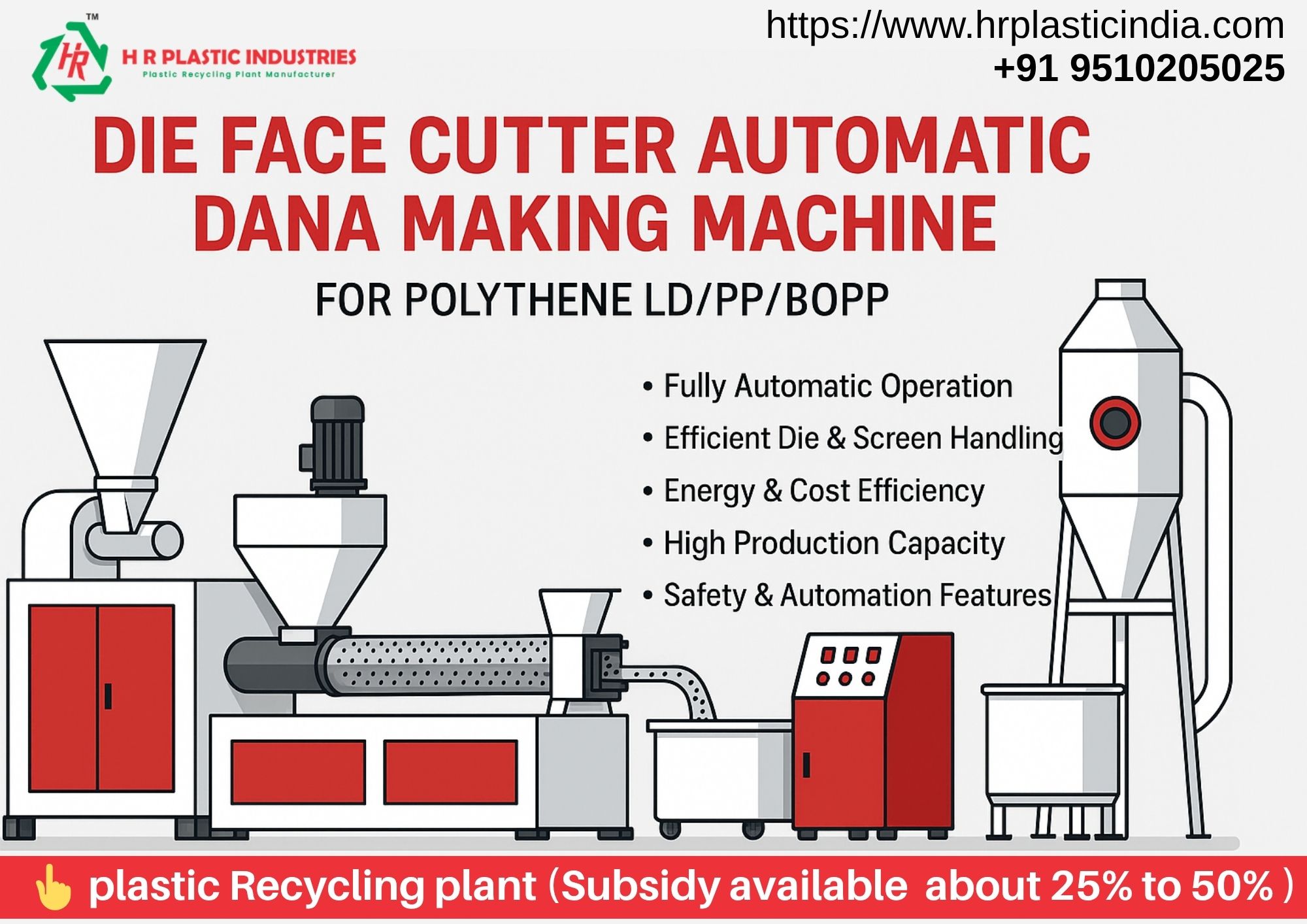
Fully Automatic Waste Recycling Plant
Fully Automatic Waste Recycling Plant
Description
A Fully Automatic Waste Recycling Plant is an advanced facility designed to process and recycle various types of waste—plastic, metal, paper, organic, and e-waste—using fully automated machinery. These plants ensure minimal human intervention, higher efficiency, and environmentally friendly waste management, making them ideal for modern urban and industrial areas.
How It’s Made
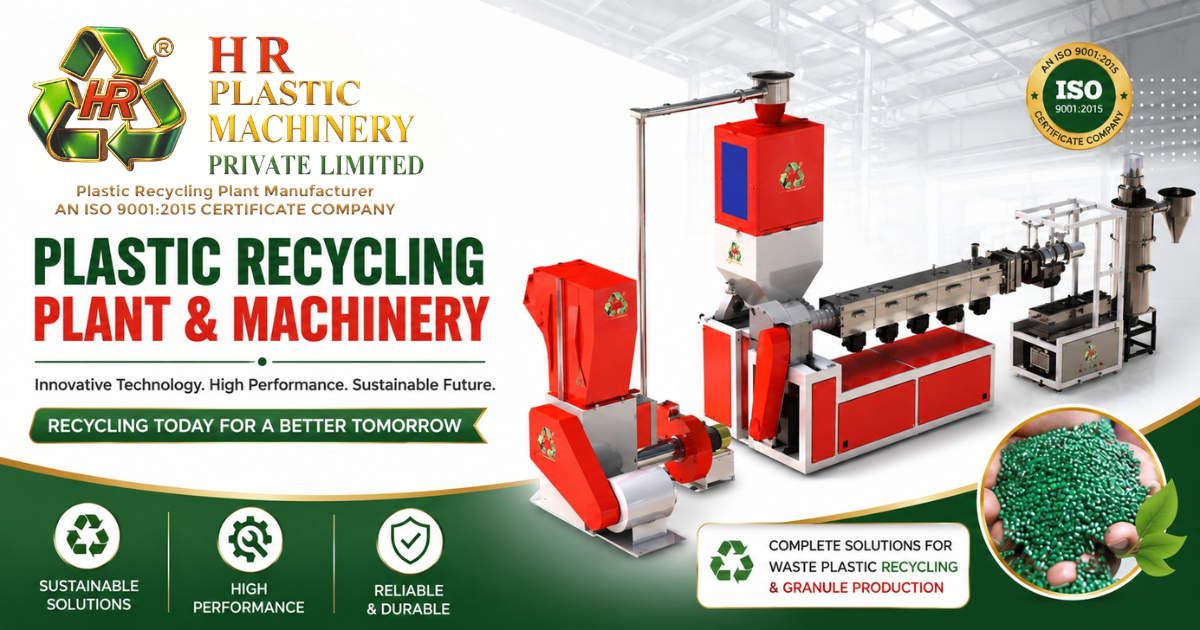
The plant includes a series of integrated systems such as:
-
Conveyor belts for waste movement
-
Shredders and crushers for size reduction
-
Air classifiers and washing units
-
Granulators or pelletizers (for plastic)
-
Control panels with PLC/SCADA automation
All components are made with corrosion-resistant materials and heavy-duty construction to handle continuous operations.
Where It Is Used
-
Municipal solid waste (MSW) facilities
-
Industrial waste processing units
-
Smart city projects
-
Waste-to-energy plants
-
Large housing societies or gated communities
Key Features
-
Fully automated processing with minimal manual labor
-
High-speed waste sorting and segregation
-
Environment-friendly operation
-
Energy-efficient systems
-
Touchscreen control interface
-
Capable of processing multiple types of waste
-
Remote monitoring and diagnostics
Importance
With growing urbanization and waste generation, fully automatic recycling plants are essential for reducing landfill burden, protecting natural resources, and promoting circular economy models. They are critical for achieving sustainable development goals.
Advantages
-
Reduces operational cost by minimizing manual labor
-
Enhances productivity and output quality
-
Lowers environmental pollution
-
Recovers valuable materials like plastic, metal, and compost
-
Operates continuously with minimal downtime
-
Supports government compliance for waste handling
Significance
These plants represent the future of waste management. With automation, efficiency, and eco-friendliness at their core, they enable cities and industries to manage waste responsibly while extracting economic value from it.
Why to Choose a Fully Automatic Waste Recycling Plant
-
Handles large volumes of waste effortlessly
-
Built to global quality and safety standards
-
Offers complete waste segregation and recycling
-
Long operational life and service support
-
Contributes to cleaner and greener surroundings
FAQs
-
What types of waste can be recycled in this plant?
Plastic, metal, organic waste, paper, glass, and more. -
Is the system really fully automatic?
Yes, from feeding to segregation and final output is automated. -
Can this plant be customized as per capacity?
Yes, systems are modular and scalable. -
How much area is required for setup?
Depends on capacity, but typically starts from 2,000 to 10,000 sq. ft. -
What is the daily capacity of the plant?
Ranges from 1 ton to 100+ tons per day. -
Does it require trained manpower?
Basic training is sufficient due to automation. -
Is it suitable for government waste management tenders?
Yes, it complies with SWM rules and urban development standards. -
What is the payback period?
Usually 2–4 years depending on waste type and volume. -
How is it beneficial for the environment?
Reduces landfill, conserves energy, and promotes recycling. -
Where can I buy a fully automatic waste recycling plant in India?
From specialized waste management equipment manufacturers and automation experts.
Conclusion
A Fully Automatic Waste Recycling Plant is an essential step toward sustainable waste management. It not only reduces the environmental impact but also creates economic opportunities through resource recovery. Investing in this technology is a wise decision for industries, municipalities, and the planet.
Recent Posts