H.R. PLASTIC MACHINERY PVT. LTD.
Dust Remover Machine for Polythene Plastic in India
Dust Remover Machine for Polythene Plastic in India
Dust Remover Machine for Polythene Plastic in India | H.R. Plastic Industries
Dust Remover Machine for
Plastic Recycling Machinery
Dust Remover Machine for
Polythene Plastic in India
Industrial plastic recycling and extrusion operations generate significant airborne dust, fiber particles, and fine contaminants. A dust remover machine for polythene plastic in India plays a vital role in maintaining clean processing conditions, improving material quality, and protecting worker health.
H.R. Plastic Industries
In recycling units handling LDPE, PP, raffia bags, cement bags, and road waste plastic, dust removal is not optional—it is essential for stable and efficient operations.
H.R. Plastic Industries, based in Ahmedabad, manufactures plastic processing and recycling machinery, including dust remover systems designed to integrate seamlessly with extrusion and recycling lines. The company operates manufacturing facilities in Ahmedabad's industrial zones and supplies machinery for plastic reprocessing applications across India. Its dust remover systems are engineered to deliver consistent performance within recycling and dana making processes.
Why Dust Removal Is Critical in Plastic Recycling and Extrusion
During shredding, grinding, agglomeration, and extrusion of polythene and polypropylene materials, fine dust particles are released. These particles may originate from:
- Cement residue from raffia and cement bags
- Road waste contamination
- Fiber fragments from woven sacks
- Grinding dust from scrap plastic
- Surface impurities on LD, PP, and BOPP materials
If not removed effectively, dust can disrupt extrusion consistency, clog screen changers, reduce granule quality, and accelerate machine wear. Over time, airborne particles also contribute to unhealthy working conditions and potential non-compliance with industrial safety standards.
A properly designed plastic dust remover machine enhances process efficiency by separating contaminants before further processing.
Working Principle of Dust Remover Machine for Polythene Plastic
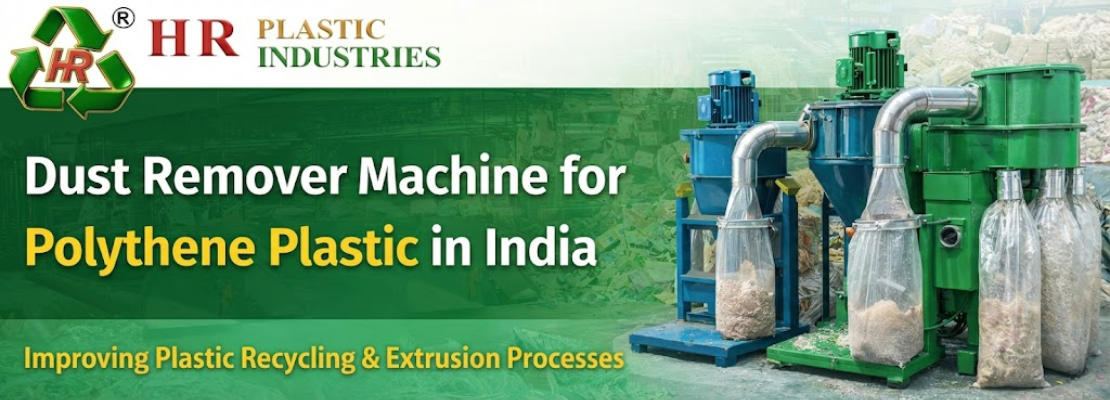
A dust remover machine for plastic processing operates by drawing contaminated air and loose dust particles through a controlled airflow system. The unit typically includes a motor-driven rotating blade assembly and a separation or filtration chamber.
The process generally involves:
- Feeding dusty plastic scrap or flakes into the system
- Creating rotational airflow using high-speed blades
- Separating lighter dust particles from heavier plastic material
- Capturing dust in a filtration or separation chamber
- Discharging cleaned plastic material for further processing
This controlled separation ensures that the material entering the extruder or agglomerator is free from loose surface dust and fine contaminants.
Technical Configuration and Machine Variants
Dust remover systems used in plastic recycling are available in various capacities based on motor power and production requirements. Common industrial configurations include:
- MS plate body construction for durability
- 10 HP motor setups for medium-scale operations
- 20 HP motor options for higher throughput lines
- Three rotating blade systems for effective airflow control
- Compatibility with LD, PP, BOPP, raffia cement bags, and road waste plastic
These machines are designed for continuous industrial use and can be integrated with single-stage and two-stage plastic recycling plants.
Applications Across Plastic Recycling Industry
Dust remover machines are widely used across plastic processing applications. In India's expanding recycling sector, they are especially important in:
- Polythene film recycling plants
- Raffia bag recycling units
- Cement bag reprocessing facilities
- Road waste plastic recycling lines
- Dana making machines with die face cutter
- Plastic granule manufacturing plants
In industrial hubs such as Ahmedabad and other regions of India, recycling units handling multi-layer plastic (MLP), LDPE waste, and PP scrap rely on dust removal systems to maintain consistent output quality.
Integration with Plastic Dana Making and Recycling Lines
In a complete plastic recycling setup, the dust remover is typically installed before extrusion or pelletizing. It works alongside grinders, agglomerators, extruders, and hydraulic screen changers.
The system supports:
- Stable extrusion pressure
- Reduced contamination in final granules
- Extended screw and barrel life
- Lower risk of filter choking in extrusion lines
When integrated into a plastic dana making machine line, dust removal directly improves granule uniformity and surface finish.
Operational Advantages for Recycling Units
A dust remover machine contributes to operational efficiency in multiple ways:
- Improved material purity before extrusion
- Reduced downtime caused by screen blockage
- Better granule consistency
- Controlled dust levels within the work area
- Lower wear on mechanical components
For recycling businesses operating in India's competitive manufacturing environment, maintaining consistent quality is essential for long-term sustainability.
Industrial Safety and Environmental Compliance
Dust accumulation in recycling facilities can create respiratory risks and poor workplace conditions. A dust remover system helps limit airborne particulate concentration within the production area, supporting safer and cleaner operations.
Maintaining better air quality also helps facilities align with environmental and occupational safety standards. In industrial zones such as Ahmedabad, where plastic recycling activity is significant, dust management systems are increasingly becoming standard practice.
Selecting the Right Dust Remover Machine in India
Choosing the appropriate dust remover machine for polythene plastic depends on several operational factors:
- Type of plastic scrap being processed
- Moisture and contamination level of raw material
- Throughput capacity of the recycling line
- Required motor power
- Compatibility with existing machinery
Manufacturers and recycling operators in India typically prefer systems capable of handling multiple materials, including LDPE films, raffia bags, cement bags, and road waste plastic.
Role of Dust Remover in Quality Plastic Granule Production
Plastic granule production requires uniform melt flow and consistent material density. Surface dust and fiber particles can interfere with melt stability during extrusion.
By removing loose dust before processing, the dust remover system:
- Enhances melt homogeneity
- Improves pellet surface finish
- Reduces contamination marks or black spots
- Supports stable extrusion temperature control
This is particularly important for manufacturers supplying granules to injection molding, blown film, and extrusion industries.
Growing Demand for Plastic Dust Remover Machines in India
India's plastic recycling sector continues to grow with increased focus on waste management and sustainability. As two-stage recycling plants, mother-baby extrusion systems, and high-output dana making machines become more common, demand for pre-processing equipment such as dust removers is rising.
Industrial cities like Ahmedabad, which host numerous recycling and extrusion units, are witnessing higher adoption of dust removal systems as part of integrated recycling solutions.
Dust remover machines are no longer viewed as optional accessories. They are increasingly recognized as essential components in modern plastic reprocessing plants.
Conclusion
Dust Remover Machine for Polythene Plastic in India
A dust remover machine for polythene plastic in India is a key component of modern recycling and extrusion systems. By eliminating airborne and surface contaminants before processing, it enhances granule quality, protects machinery, and promotes safer working conditions. In India's expanding plastic recycling industry—particularly in manufacturing hubs like Ahmedabad—effective dust management supports operational reliability and long-term process stability.
FAQ
Frequently Asked Questions
What is a dust remover machine used for in plastic recycling?
A dust remover machine separates loose dust, fibers, and fine contaminants from plastic scrap before
extrusion or pelletizing. It improves material cleanliness and supports consistent granule production.
Can a dust remover machine handle cement bag and raffia materials?
Yes, industrial dust remover machines are designed to process raffia cement bags, LDPE films, PP scrap,
and road waste plastic. They effectively remove fine powder and fiber contamination.
Is dust removal necessary before extrusion?
Dust removal is strongly recommended before extrusion because fine particles can clog screen changers,
affect melt quality, and increase wear on screw and barrel components.
What motor capacity is typically used in dust remover machines?
Industrial variants commonly use 10 HP or 20 HP motors, depending on throughput requirements and line
integration.
Does a dust remover machine improve granule quality?
Yes, removing surface dust before processing helps produce cleaner, more uniform plastic granules with
improved melt consistency and fewer impurities.
Where are dust remover machines commonly used in India?
They are widely used in plastic recycling plants, dana making lines, extrusion units, and waste plastic
reprocessing facilities across industrial cities such as Ahmedabad and other regions in India.
Get in Touch
H.R. Plastic Industries
3, Abhishree Industrial Park, B/h. G.V.M.M., Near Odhav Circle, Ahmedabad‑382415.
35, Shivalik Industrial Park, Nr. Amba Hotel, Chowkadi, Near Kuha Gam, Ahmedabad to Indor Highway, Ahmedabad‑382433.
View on Google Maps →Recent Posts