H.R. PLASTIC MACHINERY PVT. LTD.
Die Face Cutter Automatic Dana Making Machine in Gujarat
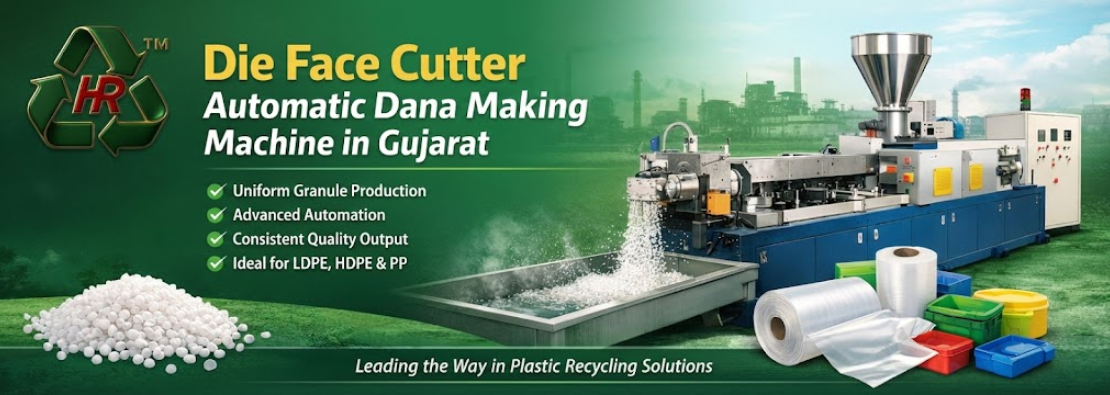
Die Face Cutter Automatic Dana Making Machine in Gujarat
Die Face Cutter Automatic Dana Making Machine in Gujarat | HR Plastic
Die Face Cutter Automatic Dana Making Machine in Gujarat
The plastic recycling industry in India has experienced steady growth over the last decade, driven by greater awareness of waste management, evolving government regulations, and increasing demand for recycled plastic granules. Gujarat, as one of the country's strongest industrial states, plays a central role in plastic processing and recycling. Manufacturers and recyclers across the region increasingly depend on advanced machinery that delivers consistent output, operational stability, and long-term reliability. Among these technologies, the die face cutter automatic dana making machine has emerged as a preferred solution for producing uniform plastic granules from recycled material.
This article explains the working, applications, technical considerations, and regional relevance of a die face cutter automatic dana making machine in Gujarat. The focus remains strictly informational, helping readers understand how this equipment supports modern recycling operations and how it integrates into Gujarat's industrial ecosystem.
Understanding plastic dana manufacturing in modern recycling
Plastic dana, also referred to as plastic granules or pellets, forms the basic raw material for a wide range of plastic products. These granules are produced by melting plastic scrap, filtering impurities, and cutting the molten material into uniform shapes. The quality of the dana directly affects downstream processes such as extrusion, injection molding, and film production.
In conventional recycling setups, limitations in cutting accuracy and temperature control often lead to uneven granule sizes and material degradation. Such inconsistencies can impact product performance and increase rejection rates. Modern dana making machines address these issues through automated systems, precision cutting mechanisms, and controlled processing conditions. The die face cutter system is one such advancement that has significantly improved both granule quality and production efficiency.
What is a die face cutter automatic dana making machine
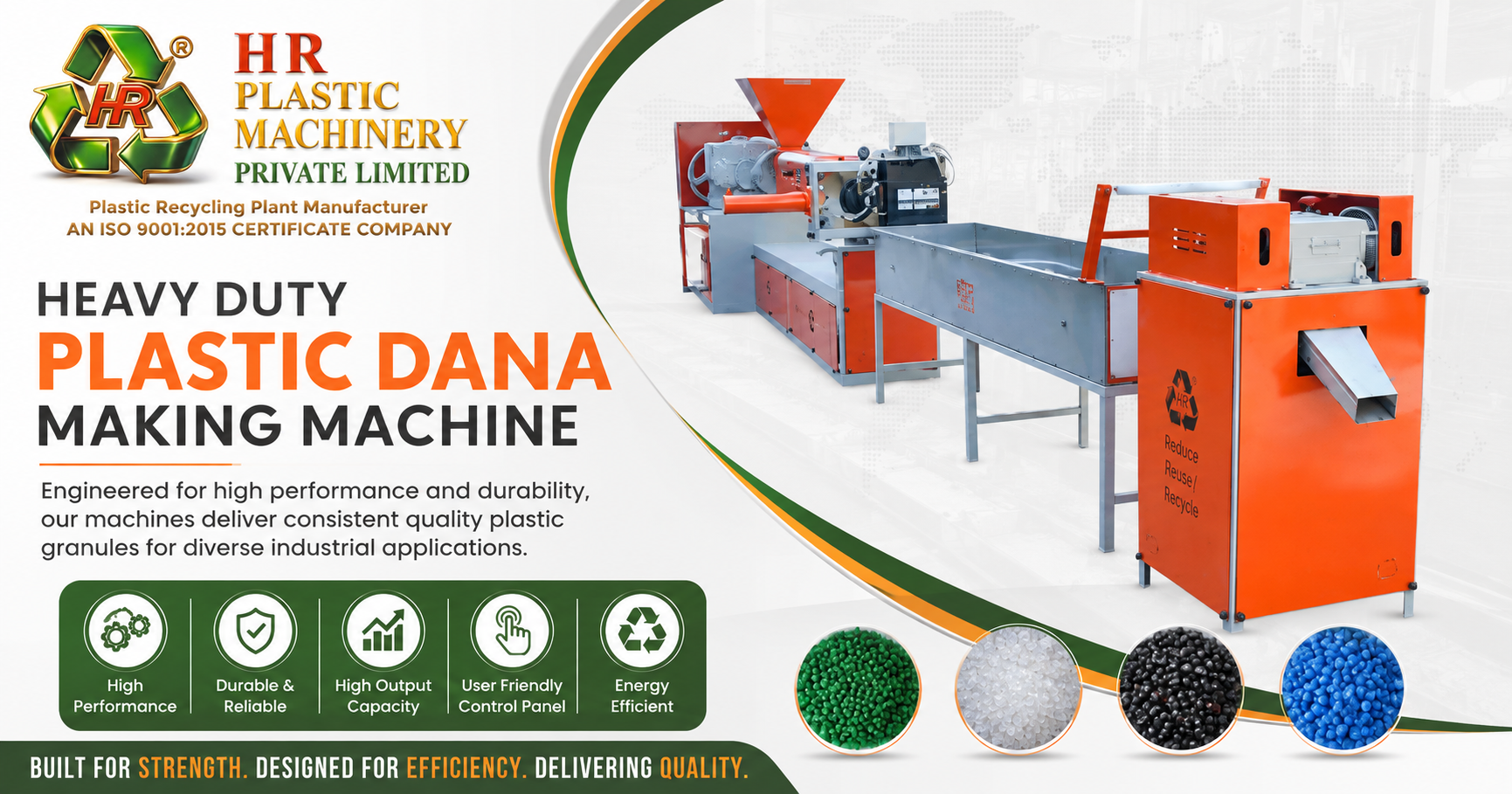
A die face cutter automatic dana making machine is a plastic recycling system designed to convert molten plastic into uniformly sized granules using a rotating cutter mounted directly at the die face. Instead of forming continuous strands that are later cut, the molten plastic exits the die and is immediately sliced into pellets.
This approach reduces cooling time, minimizes strand breakage, and ensures consistent pellet shape. The machine operates through an automated control system that manages temperature zones, cutter speed, material feeding, and safety functions. It is suitable for processing materials such as LDPE, HDPE, PP, BOPP, raffia waste, and certain rigid plastic scraps.
In Gujarat's recycling sector, where high-throughput and continuous operations are common, this type of machine supports stable production with reduced manual intervention.
Working principle of the die face cutter system
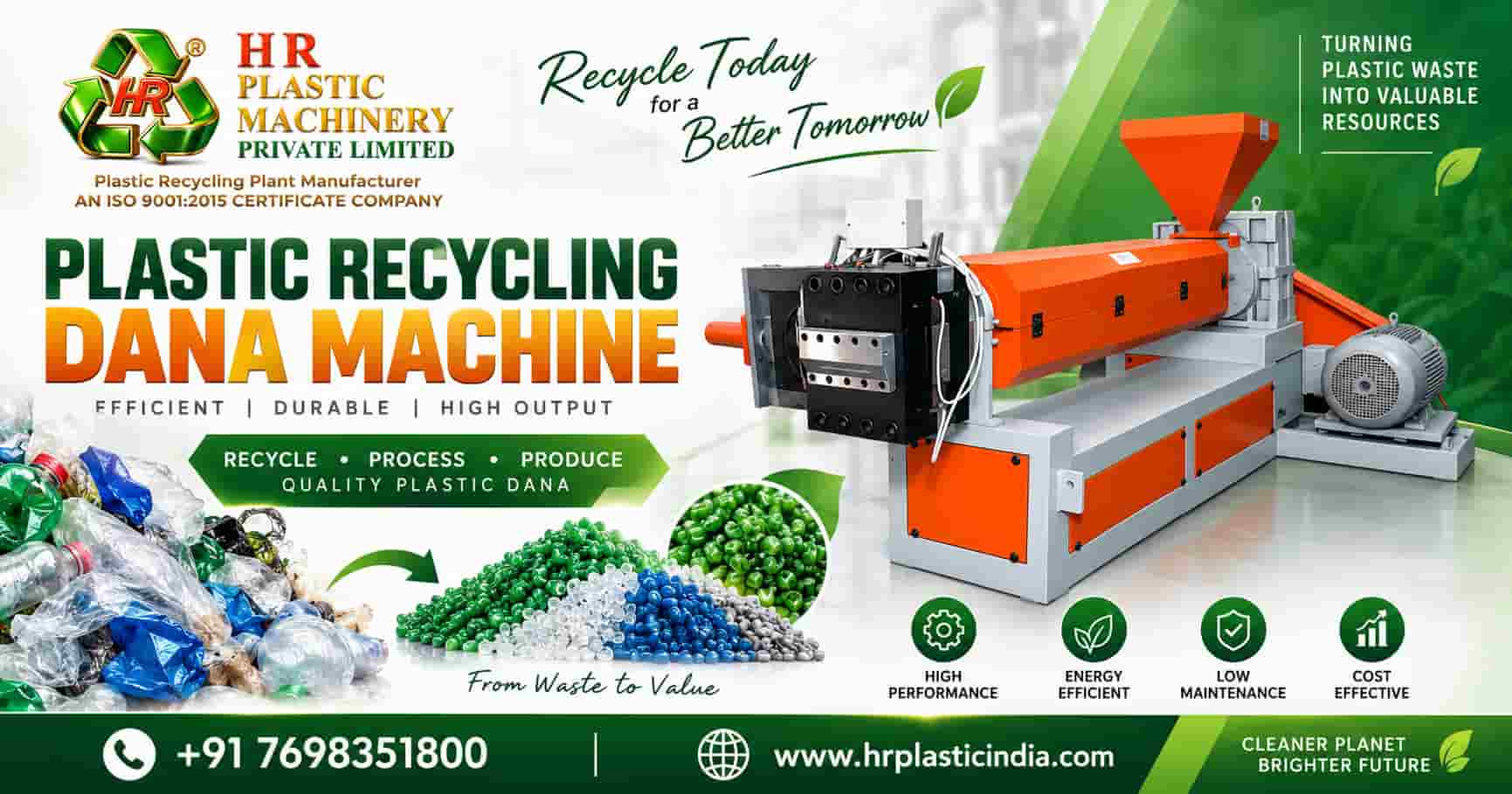
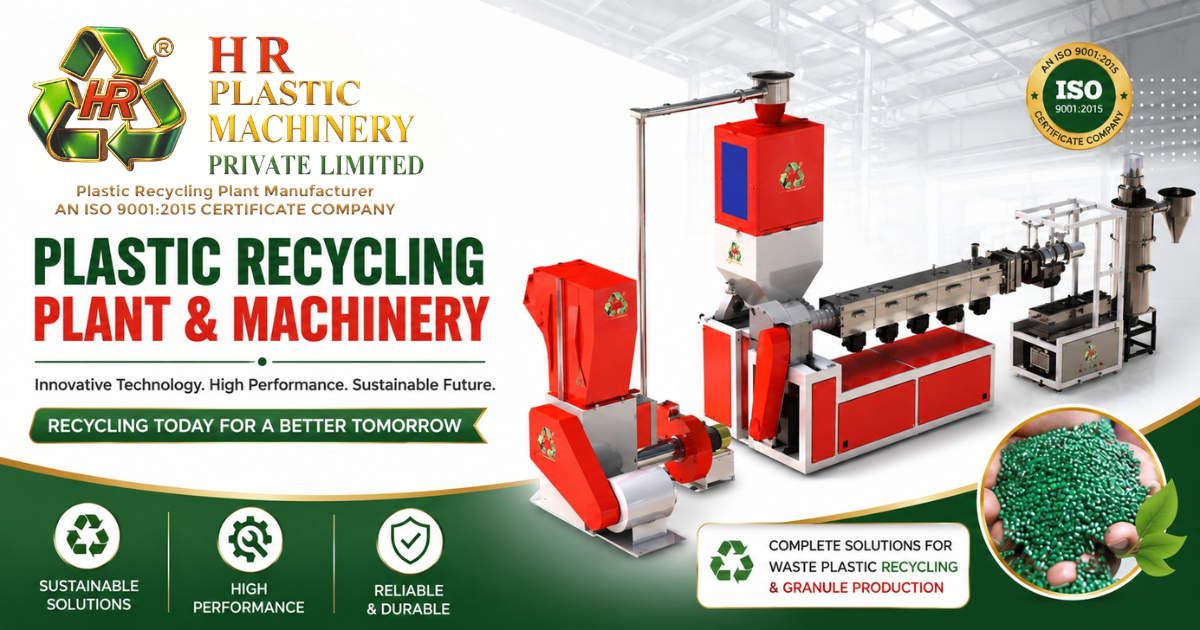
The operation of a die face cutter automatic dana making machine follows a controlled and streamlined process. Plastic scrap is fed into the extruder through a hopper, where it is gradually melted by a heated screw and barrel assembly. The molten material then passes through a screen changer that removes contaminants and improves material purity.
After filtration, the molten plastic is pushed through the die plate. At this stage, the die face cutter rotates against the die surface and cuts the molten plastic directly at the exit point. The freshly cut granules are immediately cooled, typically using water or air-based cooling systems. Automation synchronizes extrusion pressure, cutter speed, and temperature to maintain uniform granule size and surface quality.
This direct cutting method reduces material stress and helps maintain stable output, even during long production cycles.
Role of automation in consistent dana production
Automation is a critical component of modern plastic recycling machinery. In an automatic dana making machine, operators can monitor and control key parameters through a centralized control panel. Temperature zones, motor load, cutter speed, and material flow can be adjusted to suit different plastic grades and processing conditions.
For recycling units in Gujarat, where machines often operate for extended hours, automation supports process stability and reduces dependence on skilled manual adjustments. Safety features such as interlocks, overload protection, and emergency shutdown systems further enhance operational reliability. Together, these factors contribute to consistent granule quality and predictable machine performance.
Materials commonly processed using die face cutter machines
Die face cutter automatic dana making machines are engineered to handle a wide range of plastic materials. In Gujarat, recycling units typically process industrial scrap, post-consumer waste, and production rejects from nearby manufacturing clusters.
Common materials include LDPE and HDPE films, PP woven bags, raffia waste, BOPP film scrap, and rigid PP or HDPE items. The vented screw barrel design and controlled heating zones help remove moisture and trapped gases during processing, which is essential when working with mixed or contaminated scrap. This versatility makes the machine suitable for both dedicated recycling units and integrated plastic processing facilities.
Applications across Gujarat's plastic industry
Gujarat supports a diverse plastic industry, including packaging, agricultural films, pipes, automotive components, and household products. Recycled plastic granules produced using die face cutter machines are widely used across these sectors.
Typical application areas include packaging films, molded components, extrusion profiles, agricultural products, and industrial plastic parts. The uniformity of granules produced by die face cutter systems ensures smoother processing in downstream equipment, reducing material wastage and machine downtime. For manufacturers incorporating recycled material into their production, consistent dana quality is essential for maintaining process efficiency.
Why Gujarat is a key market for dana making machines
Gujarat's strong industrial infrastructure, steady availability of plastic waste, and established recycling clusters make it a major hub for plastic recycling machinery. Cities such as Ahmedabad, Surat, Rajkot, and Vadodara host numerous recycling units that require reliable and scalable equipment.
The state's logistics network and proximity to ports further support machinery manufacturing and distribution. As environmental regulations become more stringent, recycling units are increasingly upgrading to advanced systems that offer better control, efficiency, and compliance. Die face cutter automatic dana making machines align well with these evolving requirements, making them a practical choice for recyclers in Gujarat.
Technical considerations when selecting a die face cutter machine
Selecting a suitable dana making machine requires careful evaluation of technical specifications based on production goals and material type. Factors such as output capacity, screw diameter, motor power, gearbox rating, and screen changer size directly influence performance.
Different plant configurations offer varying output ranges, from smaller units producing under 100 kg per hour to larger systems exceeding 200 kg per hour. Vented screw barrels with gas nitriding treatment enhance durability and processing efficiency. Gearbox quality and motor capacity are also critical for maintaining smooth torque transmission during continuous operation. Understanding these parameters helps recyclers match machine capabilities with operational requirements.
Benefits of using a die face cutter automatic dana making machine
The use of die face cutter systems provides several practical advantages for recycling operations, especially when handling mixed or high-volume plastic waste.
Key advantages include:
Uniform granule size and shape
Reduced material handling and intermediate processing steps
Stable production during continuous operation
Lower risk of strand breakage and material degradation
Improved compatibility with downstream processing equipment
These benefits support higher overall efficiency and consistent output quality without frequent manual adjustments.
Maintenance and operational reliability
Routine maintenance plays an important role in ensuring the long-term reliability of plastic recycling machinery. Die face cutter machines are generally designed with accessible components, allowing for straightforward inspection and servicing. Regular attention to cutter blades, screen changers, and heating elements helps maintain cutting accuracy and thermal stability.
In Gujarat's industrial environments, where machines may operate under demanding conditions, robust construction and quality components are essential. Planned maintenance schedules support consistent performance and help minimize unplanned downtime, which is critical for meeting production targets.
Environmental and process efficiency considerations
Recycling machinery directly contributes to waste reduction and circular manufacturing practices. Efficient dana making machines help maximize material recovery while controlling energy consumption and minimizing scrap losses. Precise temperature control and automated cutting reduce the risk of polymer degradation, ensuring that recycled granules retain suitable material properties for reuse.
For recycling units focused on sustainable operations, efficient machinery supports both environmental responsibility and process optimization.
Frequently Asked Questions
What makes a die face cutter system different from strand pelletizing systems
A die face cutter system cuts molten plastic directly at the die, eliminating strand formation and reducing cooling and handling steps. This results in more uniform granules and a more compact production process.
Can a die face cutter automatic dana making machine process mixed plastic waste
Yes, these machines can process a range of plastic materials, including films and rigid plastics, provided the scrap is properly sorted and prepared.
Is automation necessary for dana making machines
Automation improves consistency, safety, and operational control by allowing precise management of temperature, cutting speed, and material flow.
What industries use granules produced by these machines
Recycled granules are used in packaging, molding, extrusion, agricultural products, and various industrial plastic applications.
How does machine capacity affect recycling operations
Higher capacity machines support large-scale, continuous operations, while smaller machines are suitable for limited or specialized recycling needs.
Why is Gujarat a strong location for plastic recycling machinery usage
Gujarat has a high concentration of plastic industries, reliable infrastructure, and access to raw material, making it a natural hub for recycling operations.
Get in Touch
Recent Posts