H.R. PLASTIC MACHINERY PVT. LTD.
Benefits of Hydraulic Screen Changers
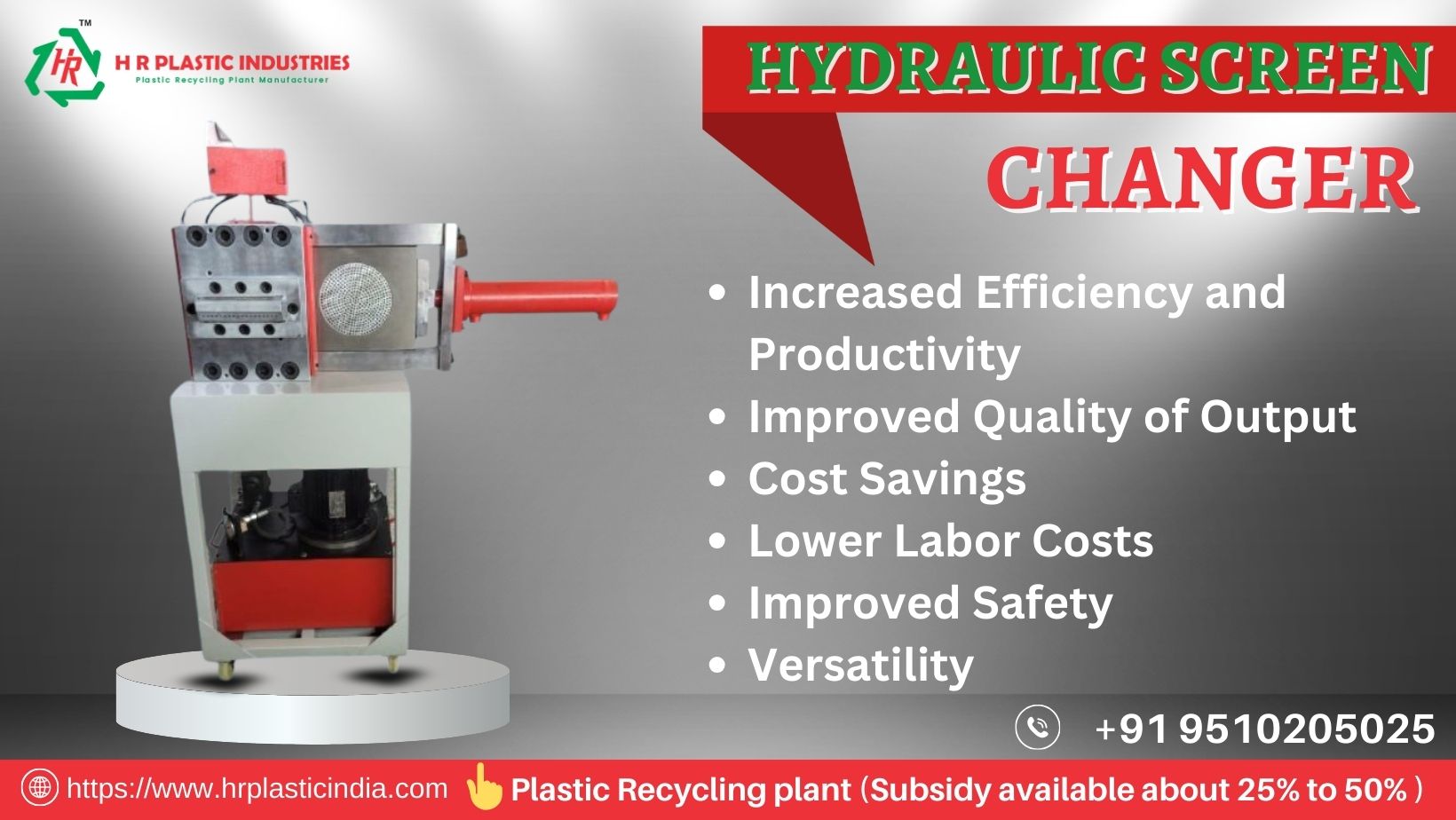
Benefits of Hydraulic Screen Changers
Benefits of Hydraulic Screen Changers
Hydraulic screen changers are vital for industries like plastics, rubber, and chemicals, where filtration plays a critical role in the production of high-quality materials.
1. Increased Efficiency
-
Continuous Operation: Hydraulic screen changers can replace filtration screens without interrupting the production process, enabling continuous operation.
-
Reduced Downtime: The hydraulic system allows for quick screen changes, minimizing downtime and maximizing production efficiency.
2. Consistent Product Quality
-
Precise Filtration: The hydraulic screen changer ensures that only purified material enters the production process, maintaining the quality of the final product.
-
Improved Output: Consistent filtration reduces the presence of impurities in the end product, ensuring higher quality and reducing defects.
3. Cost Savings
-
Reduced Waste: By minimizing material loss during screen changes, hydraulic screen changers help lower material wastage.
-
Longer Screen Life: The system optimizes the usage of filtration screens, extending their life and reducing the frequency of replacements.
4. Automation and Labor Cost Reduction
-
Automation: Hydraulic systems are automated, reducing the need for manual intervention and minimizing the potential for human error.
-
Lower Labor Costs: Automation leads to reduced labor costs, as fewer workers are needed for screen changes and operation.
5. Enhanced Safety
-
Fewer Manual Interventions: With automatic screen changing, workers have less direct contact with potentially hazardous materials, improving safety.
-
Reduced Exposure to Risk: Hydraulic screen changers lower the risk of contamination and reduce the potential for accidents.
6. Versatility
-
Adaptability to Various Materials: Hydraulic screen changers can process different materials like molten polymers and resins, offering flexibility for different manufacturing processes.
-
Multiple Screen Configurations: Many models can accommodate different filter screens, allowing users to adapt to varying filtration requirements.
7. Low Maintenance Requirements
-
Durability: Hydraulic systems typically have fewer moving parts, which reduces wear and tear and lowers maintenance needs.
-
Automatic Cleaning: Some models include self-cleaning capabilities, further reducing maintenance efforts.
8. Better Process Control
-
Precise and Reliable Control: Hydraulic screen changers offer precise control over the filtration process, improving the consistency and quality of the final product.
(FAQ) about Hydraulic Screen Changers
1. How do hydraulic screen changers work?
-
Answer: Hydraulic screen changers use hydraulic pressure to move or change filtration screens. This process is automated, allowing the operator to replace screens without stopping the production line, ensuring uninterrupted operation.
2. What industries use hydraulic screen changers?
-
Answer: They are widely used in industries like plastics, rubber, food processing, chemicals, and pharmaceuticals where high-quality filtration of molten materials or liquids is required.
3. How does the hydraulic system compare to mechanical systems?
-
Answer: Hydraulic screen changers are generally more reliable and durable than mechanical systems because they have fewer moving parts, require less maintenance, and can handle higher pressures for more efficient screen changes.
4. Can hydraulic screen changers handle different types of materials?
-
Answer: Yes, hydraulic screen changers are versatile and can handle a variety of materials, including molten polymers, resins, and other industrial fluids, making them ideal for a wide range of applications.
5. How often do the screens need to be changed?
-
Answer: The frequency of screen changes depends on factors like the type of material being processed, the degree of contamination, and the specific production requirements. However, hydraulic screen changers help extend screen life by minimizing wear and tear.
6. Are hydraulic screen changers energy-efficient?
-
Answer: Yes, hydraulic screen changers are energy-efficient due to their precise control, which ensures that only the necessary amount of power is used during operation, and the system reduces material waste and downtime.
7. What maintenance is required for hydraulic screen changers?
-
Answer: Maintenance typically involves checking the hydraulic fluid levels, cleaning the system, and ensuring that the filters and seals are in good condition. However, hydraulic screen changers require less maintenance compared to mechanical alternatives due to their fewer moving parts.
8. Can a hydraulic screen changer be retrofitted to existing machinery?
-
Answer: In many cases, yes. Hydraulic screen changers can often be retrofitted to existing machines, provided that the existing setup allows for the installation of the system. It’s best to consult with the manufacturer for specific compatibility details.
9. What are the key factors to consider when selecting a hydraulic screen changer?
-
Answer: Key factors include the type of material being processed, production capacity, screen size, and the level of automation required. The specific demands of your production line, such as continuous vs. batch processing, also play a crucial role in selecting the right system.
10. How does a hydraulic screen changer improve safety?
-
Answer: By automating the screen-changing process, hydraulic screen changers reduce the need for operators to manually handle hazardous materials, thereby improving workplace safety and minimizing exposure to risks.
Hydraulic screen changers provide significant benefits in terms of efficiency, product quality, cost savings, and safety, making them essential components in modern industrial filtration systems.
More Information
Contact us: +91 9510205025
Location : 35, Shivalik Industrial Park, Nr. Amba Hotel, Chowkadi, Near Kuha Gam, Ahmedabad to Indor Highway, Ahmedabad-382433.
For Visit : https://www.hrplasticindia.com/
Instagram Link: https://www.instagram.com/hrplasticrecycling
Facebook Link: https://www.facebook.com/hrplasticrecyclingplant
Recent Posts